
Back to blog
Article
African Refugee Container House
Admin September 15, 2026
The container houses inhabited by African refugees are mostly temporary settlement measures, with relatively simple conditions. However, some modified container houses can provide basic living guarantees.
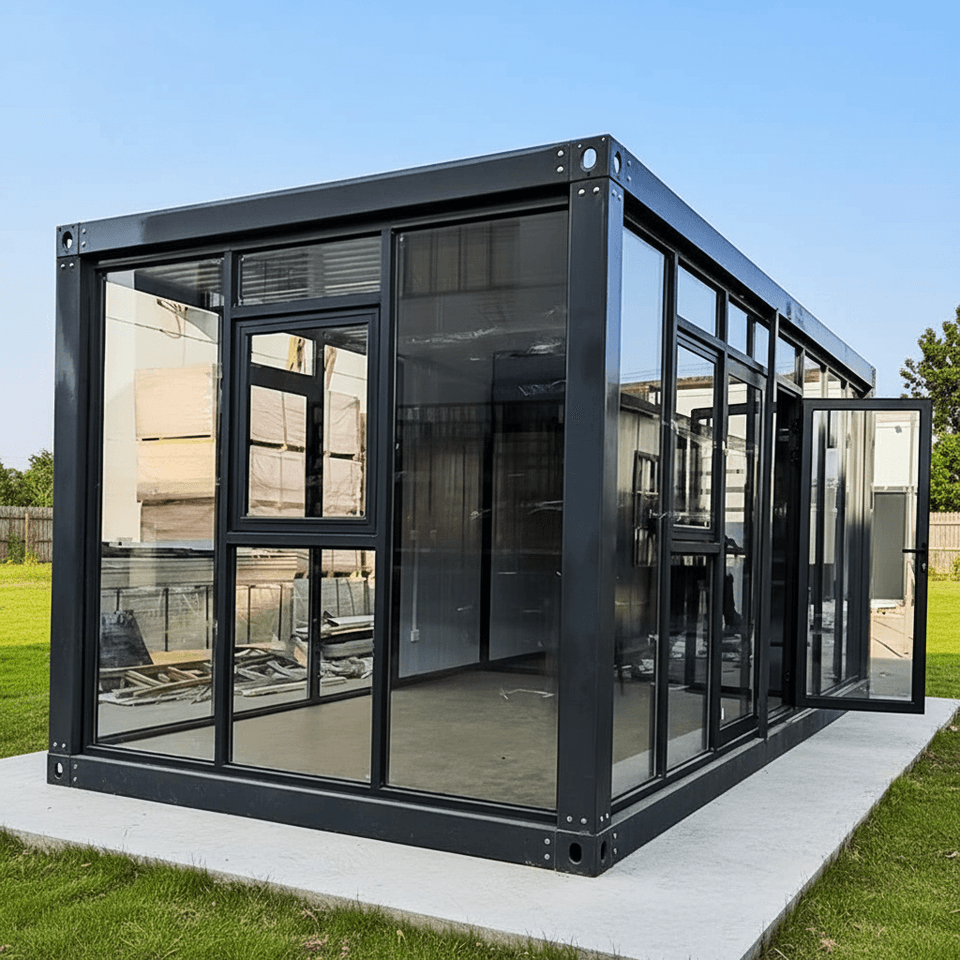
Origin and Background of African Refugee Container Houses
- Temporary Settlement Measures: In Africa, due to wars, social unrest, and natural disasters, a large number of refugees have been displaced. To address this challenge, some countries and international organizations have adopted container houses as temporary settlement solutions. For example, after the evacuation of the "Jungle" refugee camp near the northern French port city of Calais, some young refugees were accommodated in temporary shelters made from modified containers.
- International Aid and Donations: Container houses are also often used as part of international aid and are shipped to disaster-stricken areas in Africa. For instance, Qatar donated container houses to the earthquake-stricken region in Turkey. These houses, which had previously served as accommodation for football fans during the World Cup, were later modified for use by disaster victims.
Conditions and Facilities of African Refugee Container Houses
- Basic Living Space: Container houses are usually transformed into spaces with basic living functions, including bedrooms and bathrooms. However, due to limitations, these houses are often relatively small and have a high occupancy density. For example, in the temporary container shelters in Calais, France, each container may accommodate multiple young people.
- Simple Facilities: Compared to conventional residences, the facilities in container houses are relatively simple. In some refugee camps in Africa, container houses may only provide basic shelter from wind and rain, lacking essential infrastructure such as water and electricity supply and heating.
Challenges and Improvements in the Use of Container Houses for African Refugee Settlement
- Challenges: The use of container houses for African refugee settlement faces numerous challenges, including a shortage of funds, a lack of materials, and harsh environmental conditions. These factors make the modification and maintenance of container houses extremely difficult, making it hard to meet the long-term living needs of refugees.
- Improvement Measures: To improve the living conditions of refugees, some international organizations are exploring more sustainable and humane settlement solutions. For example, by introducing modular construction technology, the construction efficiency and quality of container houses can be improved. At the same time, strengthening cooperation with the international community to raise more funds and materials to support refugee settlement work.



