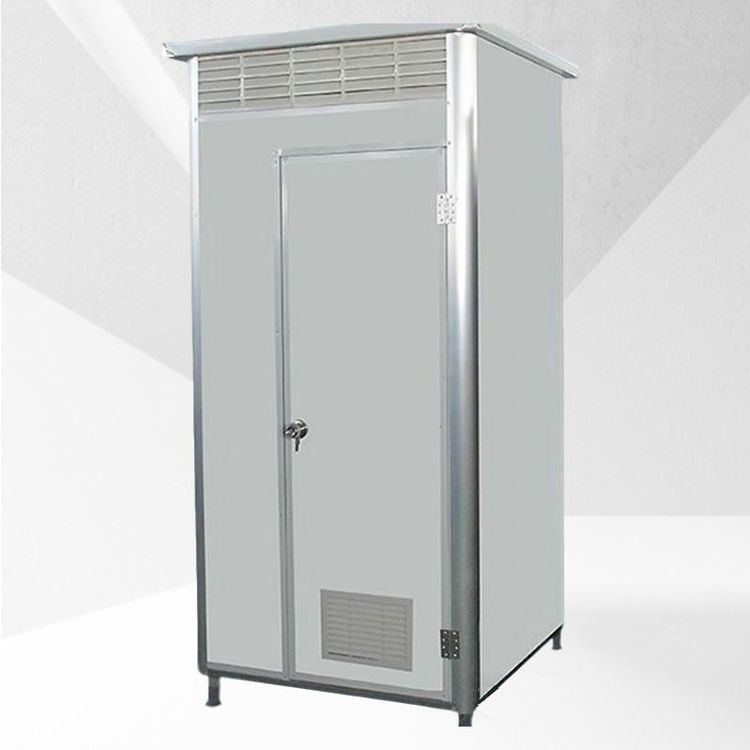
Advantages of Water-Saving Mobile Toilets
Water-saving mobile toilets, especially waterless municipal mobile public toilets, have significant advantages such as water conservation and environmental protection, easy installation, simple maintenance, hygiene and safety, flexible layout, and strong adaptability.
1. Water Conservation and Environmental Protection, Responding to Green Development
Waterless public toilets process waste through microbial decomposition technology or vacuum suction systems, eliminating the need for tap water and saving several tons of water per day on average. For example, in arid regions, a single public toilet can save thousands of tons of water resources annually, significantly alleviating water pressure. Their waterless treatment mode reduces sewage discharge, preventing water body pollution and aligning with the concept of green and sustainable development, making them particularly suitable for areas with water scarcity or ecological sensitivity.
2. Easy Installation, Adapting to Complex Terrain
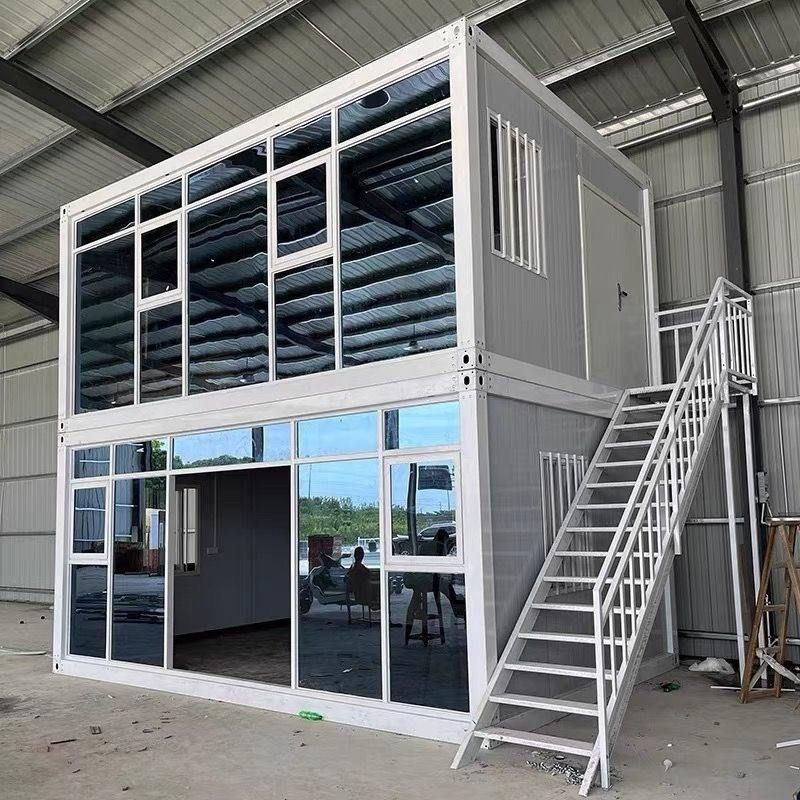
Mobile public toilets adopt a modular design, enabling short installation periods, typically completed within 1-2 days. Without the need for complex water and electricity pipeline laying, they can be directly placed in scenic spots, construction areas, or temporary event venues, quickly responding to peak pedestrian traffic demands. For instance, during peak tourist seasons on holidays, additional public toilets can be rapidly installed to alleviate pressure, avoiding the issues of long construction periods and limited site selection associated with traditional public toilets.
3. Simple Maintenance, Reducing Management Costs
Waterless public toilets do not require connection to water supply and drainage pipelines. Daily maintenance only involves regular cleaning of fecal waste or replacement of adsorbent materials (such as biological filters), reducing operation and maintenance costs by more than 40% compared to traditional public toilets. Their simplified mechanical structure results in a failure rate only one-third that of traditional public toilets, reducing repair frequency and labor input, making them suitable for long-term unattended scenarios.
4. Hygiene and Safety, Enhancing User Experience
Through physical sealing or chemical decomposition technology, waterless public toilets effectively isolate odors, with some products equipped with deodorization systems and air purification devices to maintain fresh internal air. The stall design emphasizes privacy, and the waterless flushing design prevents sewage splashing, reducing the risk of bacterial growth and providing users with a safer and more comfortable environment.
5. Flexible Layout, Serving Urban Needs
Mobile public toilets can be dynamically adjusted in position according to pedestrian density, such as being rapidly deployed in temporary venues like sports events, exhibitions, or campsites, and quickly removed after the events to avoid resource idleness. Their mobility also supports temporary needs in urban planning, such as public service guarantees during road construction.
6. Strong Adaptability, Wide Range of Application Scenarios
Waterless public toilets can operate normally in extreme environments without water supply, drainage, or even electricity, making them suitable for various scenarios such as arid rural areas, ecological protection zones, natural scenic spots, urban parks, construction sites, and exhibitions. Their ability to withstand harsh environments makes them an ideal choice for remote areas or temporary venues.