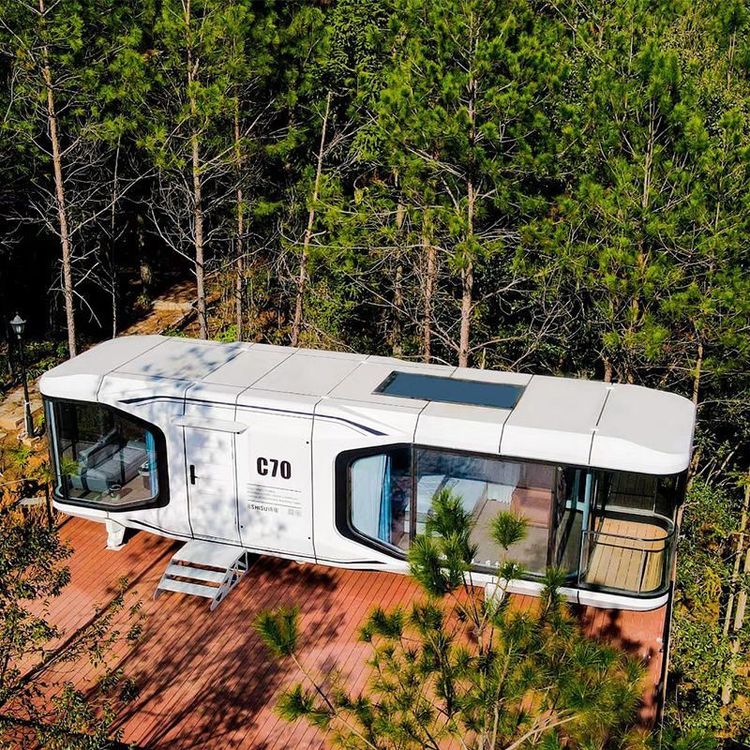
Advantages of Outdoor Portable Toilets
Outdoor portable toilets have significant advantages such as small footprint, easy installation, strong mobility, environmental protection, durability, and wide applicability.
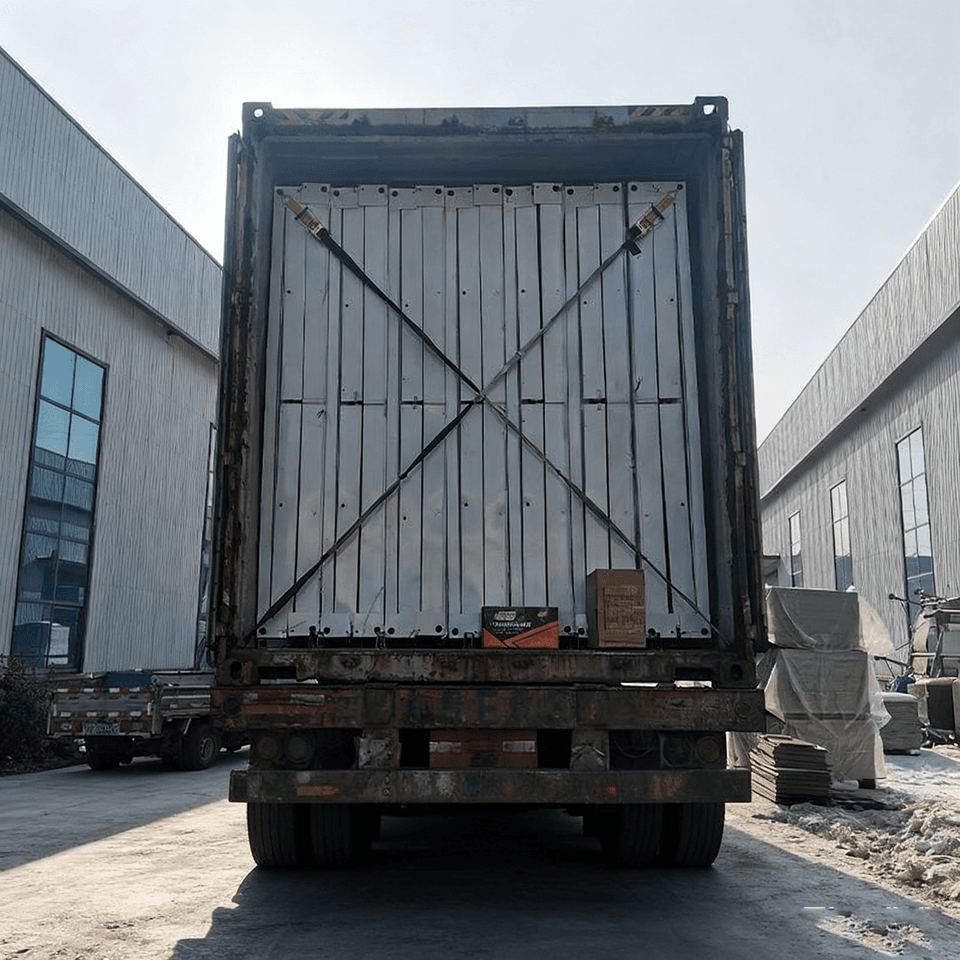
I. Efficient Space Utilization and Flexible Design
Outdoor portable toilets occupy only one-third to one-half of the area of traditional fixed toilets, making them particularly suitable for urban areas with limited land resources. Their modular design supports rapid deployment and flexible movement. For example, in large-scale events or construction projects, the number of squatting positions can be temporarily increased or decreased according to needs, and the entire unit can be relocated or dismantled after the event, avoiding resource waste. Some products adopt lightweight designs, with individual weights controlled within 2 tons, facilitating forklift operation and secondary movement, further enhancing space utilization efficiency.
II. Low Installation and Maintenance Costs
Portable toilets are typically factory-prefabricated products that can be installed and put into use in just a few hours on-site, eliminating the complex processes of site selection, material procurement, and construction associated with traditional toilets, significantly reducing labor and financial investments. Their easy disassembly and assembly also facilitate regular cleaning or maintenance. For example, seamless assembly processes reduce gaps, lowering the risk of dirt residue while improving waterproof performance and extending service life. Additionally, the combination of a water-flush sewage system and stone-plastic panel interior walls meets environmental requirements and facilitates daily maintenance.
III. Strong Adaptability and Diverse Functions
Portable toilets are not restricted by working environments, featuring lightweight and reasonably colored exterior structures suitable for diverse scenarios such as city streets, parks, stations, docks, and tourist attractions. Their interior layouts are reasonable, including independent squatting positions, ventilation systems, and sewage pipes, with some high-end models equipped with cold-proof layers to adapt to low-temperature environments. Floor materials come in two types: wooden floors for dry environments and non-slip iron plates for wet or rainy scenarios. The non-slip iron plate floors undergo special treatment, achieving a friction coefficient of over 0.6, ensuring stability even in rainy weather and effectively preventing slipping risks.
IV. Environmentally Friendly, Durable, and Long-Lasting
Portable toilets are made of high-strength aluminum alloy or stainless steel, with a sturdy main frame capable of withstanding a pressure strength of up to 1500MPa and a 500-jin pendulum impact, extending product life to over 10 years. The water-flush sewage system reduces odor diffusion, meeting environmental requirements, while the stone-plastic panel interior walls are durable and easy to clean, lowering long-term usage costs.
V. Customized Services Meet Diverse Needs
Portable toilets support customization of size and functional modules, allowing users to adjust the number of squatting positions, sink configurations, or add barrier-free facilities according to actual needs. Additionally, colors, decorative styles, and interior configurations can be personalized. For example, corporate parks can choose appearances that match architectural styles, while tourist attractions can add cultural elements for decoration, meeting aesthetic needs in different scenarios.