
What Are the Advantages of Mobile Toilets
The advantages of mobile toilets are mainly reflected in their mobility, diverse treatment methods, small footprint, diverse exterior designs, convenient construction, resource conservation, good environmental performance, cost-effectiveness, flexible deployment, long service life, and upgradability.
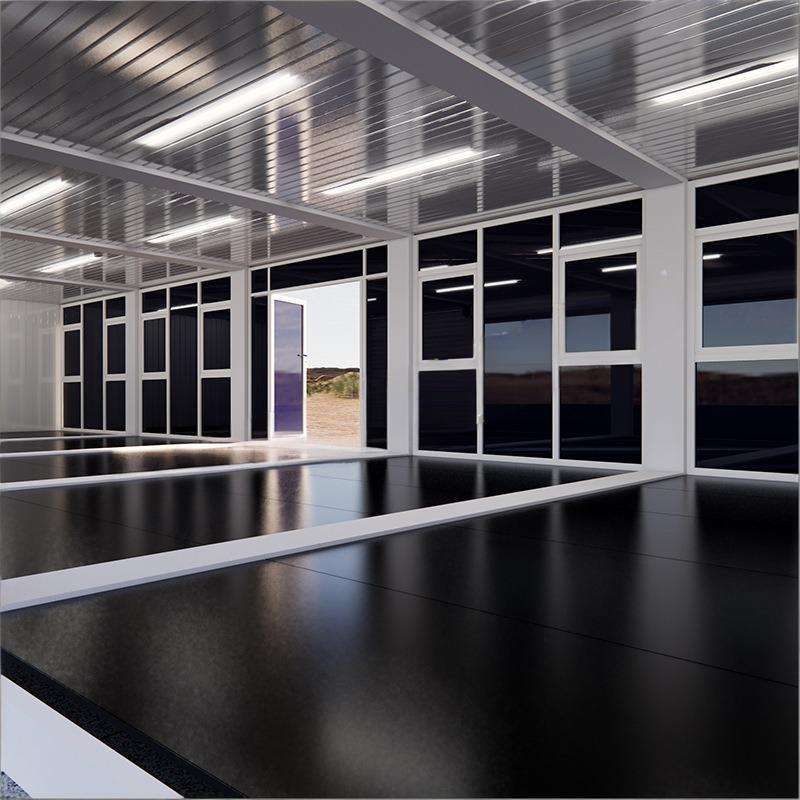
Mobility: Mobile toilets can adapt to changes in venue, reducing resource waste caused by the relocation of fixed facilities. For example, Dalian City flexibly deploys mobile public toilets during peak tourist seasons to alleviate the pressure on restrooms in crowded areas; the Jinci Scenic Area in Shanxi also used buses as mobile men's toilets and temporarily converted fixed men's toilets into women's toilets, significantly increasing the average daily capacity of the restrooms.
Diverse Treatment Methods: Different treatment technologies can be adopted according to the usage environment. Some models use biodegradation technology to treat waste, reducing reliance on traditional sewage networks; high-end models are equipped with intelligent flushing, ventilation, and deodorization devices, providing an experience close to that of fixed toilets.
Small Footprint: Compared to traditional fixed toilets, mobile toilets occupy less land resources, with their footprint being only 1/3 to 1/2 of that of fixed toilets.
Diverse Exterior Designs: Colors and shapes can be customized, allowing for better integration with the surrounding environment and avoiding 'visual pollution'.
Convenient Construction: They are usually factory-prefabricated products that can be installed and used on-site, offering advantages in terms of labor, materials, and capital investment compared to the site selection, material procurement, and construction processes of traditional toilets.
Resource Conservation: No large-scale civil construction is required, saving labor and material costs.
Good Environmental Performance: Biodegradation technology reduces sewage discharge, and the sewage recycling systems of some models can also be used for green irrigation.
Cost-Effectiveness: The cost is usually 1/5 to 1/3 of that of fixed toilets, and they can be reused, resulting in lower long-term maintenance costs.
Flexible Deployment: No complex construction is needed; they can be quickly installed on a flat surface, making them suitable for temporary events or long-term public places. They do not require connection to water and electricity networks for use, and some models are powered by solar panels, further reducing energy consumption. Daily maintenance is simple and low-cost, and their positions can be flexibly adjusted according to pedestrian density.
Long Service Life and Upgradability: The service life of mainstream mobile toilets can exceed 10 years, and they support modular upgrades, such as adding baby care rooms and barrier-free facilities, further expanding their application scope.



