
Advantages of Mobile Toilets for the Environment
The advantages of mobile toilets for the environment are mainly reflected in aspects such as saving land resources, being environmentally friendly and recyclable, reducing on-site pollution, reducing resource waste, and embodying environmental protection concepts.
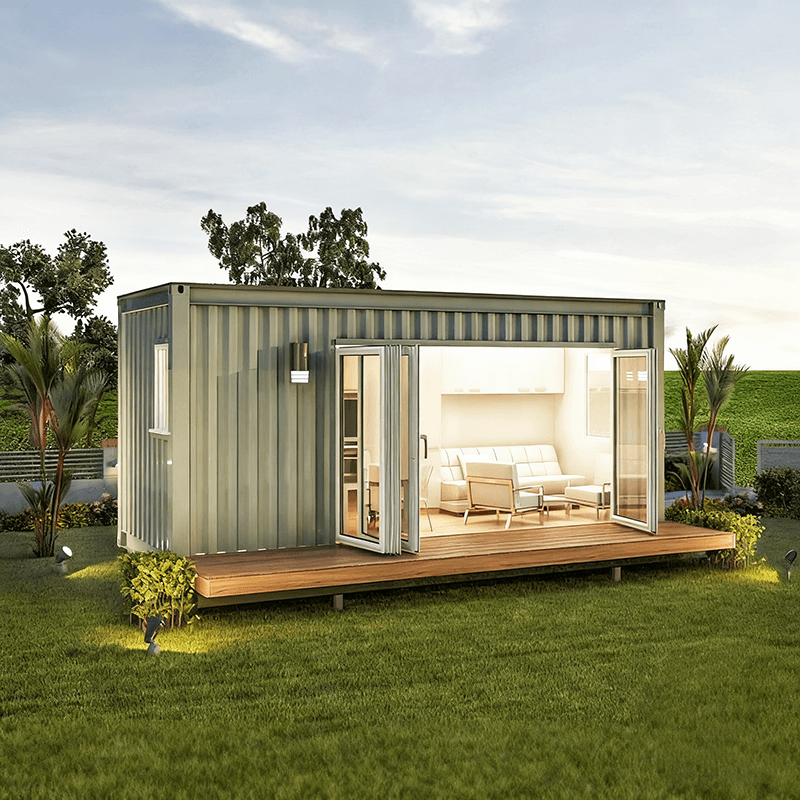
Saving Land Resources: Mobile toilets occupy a small area and have far lower land requirements than traditional fixed toilets. This characteristic makes them highly suitable for venues with limited space, such as narrow city streets, temporary event sites, or tourist attractions. By reducing land occupation, mobile toilets effectively alleviate the problem of tight urban land use and avoid the potential waste of land resources caused by the construction of fixed toilets.
Environmental Protection and Recyclability: Mobile toilets are made of environmentally friendly materials, such as steel frames and reinforced clean-grade EPS panels. These materials not only conform to the concept of green building but are also recyclable. After the toilet's service life ends, relevant components can be disassembled and recycled, reducing the generation of construction waste and lowering the negative impact on the environment.
Reducing On-site Pollution: The installation and use of mobile toilets reduce reliance on on-site construction, thereby avoiding environmental pollution issues such as dust, noise, and sewage. During the construction process of traditional fixed toilets, construction activities often cause short-term or long-term pollution to the surrounding environment. In contrast, mobile toilets, through prefabricated production, enable rapid installation and disassembly, significantly reducing the impact of construction on the environment.
Reducing Resource Waste: Mobile toilets are mobile and can be flexibly deployed according to changes in venue or pedestrian flow demands. For example, during peak tourist seasons, mobile public toilets in cities like Dalian are flexibly deployed to areas with high pedestrian traffic, effectively alleviating toilet pressure. This flexibility avoids resource waste caused by the demolition or reconstruction of fixed facilities and improves resource utilization efficiency.
Embodying Environmental Protection Concepts: The walls of mobile toilets are made of reinforced clean-grade EPS panels, and the fecal storage tanks have sufficient space, large storage capacity, and little odor. These designs not only enhance the comfort of toilet use but, more importantly, do not pollute the environment, changing the disadvantages of traditional toilets being dirty, messy, and poorly maintained. They reflect the application of modern environmental protection concepts in public sanitation facilities.



