Advantages of Mobile Environmental Toilets
Mobile environmental toilets offer multiple advantages, including saving land resources, being eco-friendly and recyclable, preserving value, simplifying approval processes, being energy-efficient and economical, reducing pollution, being flexible and diverse, employing advanced technology, being hygienic and comfortable, being cost-effective, and promoting the city's civilized image.

Saving Land Resources: Mobile environmental toilets occupy a small area and have low land requirements, making them suitable for spaces with limited room. They can make full use of urban corners or idle areas, effectively alleviating the problem of tight urban land use and providing new ideas for the rational utilization of urban space.
Eco-Friendliness and Recyclability: They are made of eco-friendly panels, and the materials are recyclable. For example, the overall frame is constructed from steel materials, which aligns with the concept of green buildings and reduces the consumption of natural resources and the generation of waste.
Value Preservation and Multiple Uses: They can be used repeatedly. For instance, during road reconstruction, they can be easily hoisted and transported to other locations for use, while civil engineering toilets cannot achieve this and require significant manpower and material resources for demolition, thus reducing construction costs.
Simplified Approval and Quick Construction: They simplify the approval procedures, avoiding the cumbersome land planning approvals required for civil engineering toilets. Construction is quick, and they can be completed and put into use in about a month, while the construction period for civil engineering toilets is usually 3 - 6 months, improving construction efficiency.
Energy Efficiency and Cost-Effectiveness: They are energy-efficient, reducing energy consumption, and their construction costs are economical, meeting the requirements of sustainable development.
Reduced On-Site Pollution: They reduce reliance on on-site construction, avoiding environmental pollution such as dust, noise, and sewage, and improving the construction environment.
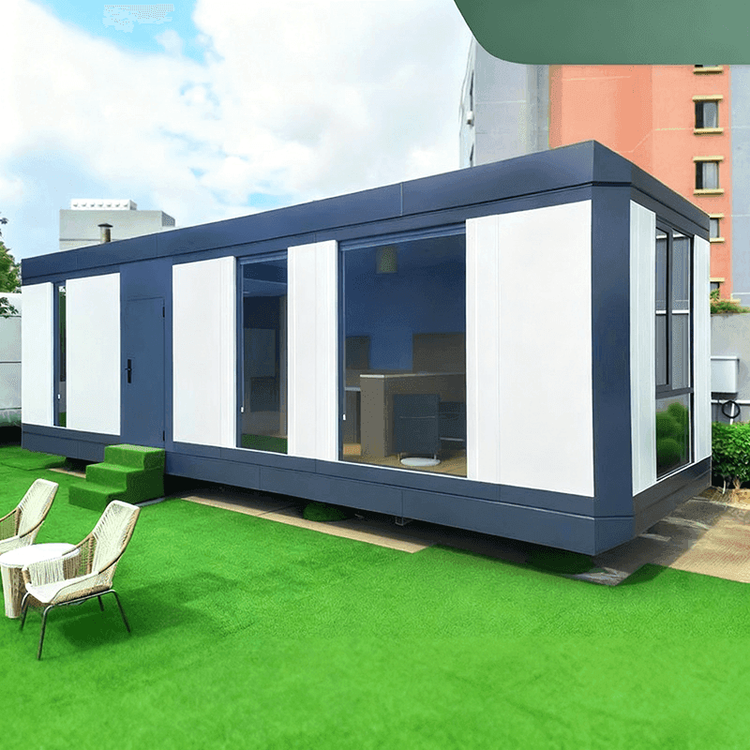
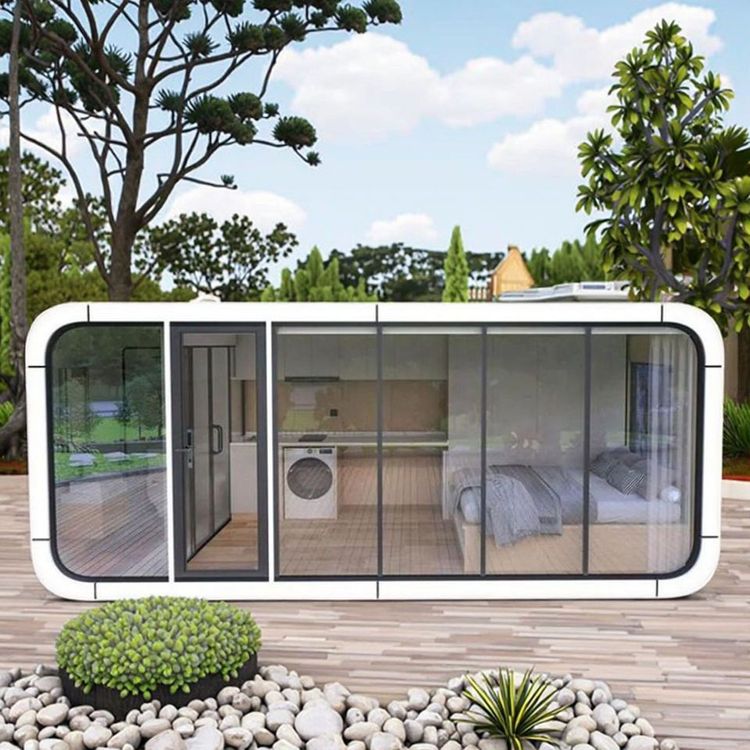
Diversity and Flexibility: They have a rich variety of appearances to meet different needs and have a wide range of applications. They can reach areas that fixed toilets cannot, showing extremely high adaptability.
Eco-Friendly and Energy-Saving Technologies: They adopt advanced water-saving flushing systems to reduce water consumption; are equipped with waste treatment technologies such as biodegradation to reduce environmental pollution; and some high-end models also integrate renewable energy technologies to further reduce energy consumption.
Hygiene and Comfort: Regular cleaning and maintenance ensure a clean and odor-free internal environment. They provide user-friendly facilities to meet the needs of different groups of people, enhancing usability and comfort.
Cost-Effectiveness: The purchase and installation costs are low, and there is no need for complex civil engineering projects, shortening the construction period. Intelligent management systems reduce the difficulty of operation and maintenance and labor costs. Efficient waste treatment methods reduce the frequency and cost of waste removal.
Promoting the City's Civilized Image: Their diverse appearances can blend into the city's landscape. Their promotion and use help raise citizens' awareness and participation in environmental protection, jointly promoting the construction of urban civilization.