
Advantages of High-Strength Prefabricated Houses
The advantages of high-strength prefabricated houses are mainly reflected in aspects such as rapid construction, cost control, environmental protection and energy efficiency, reliable quality, flexible design, and mobility.
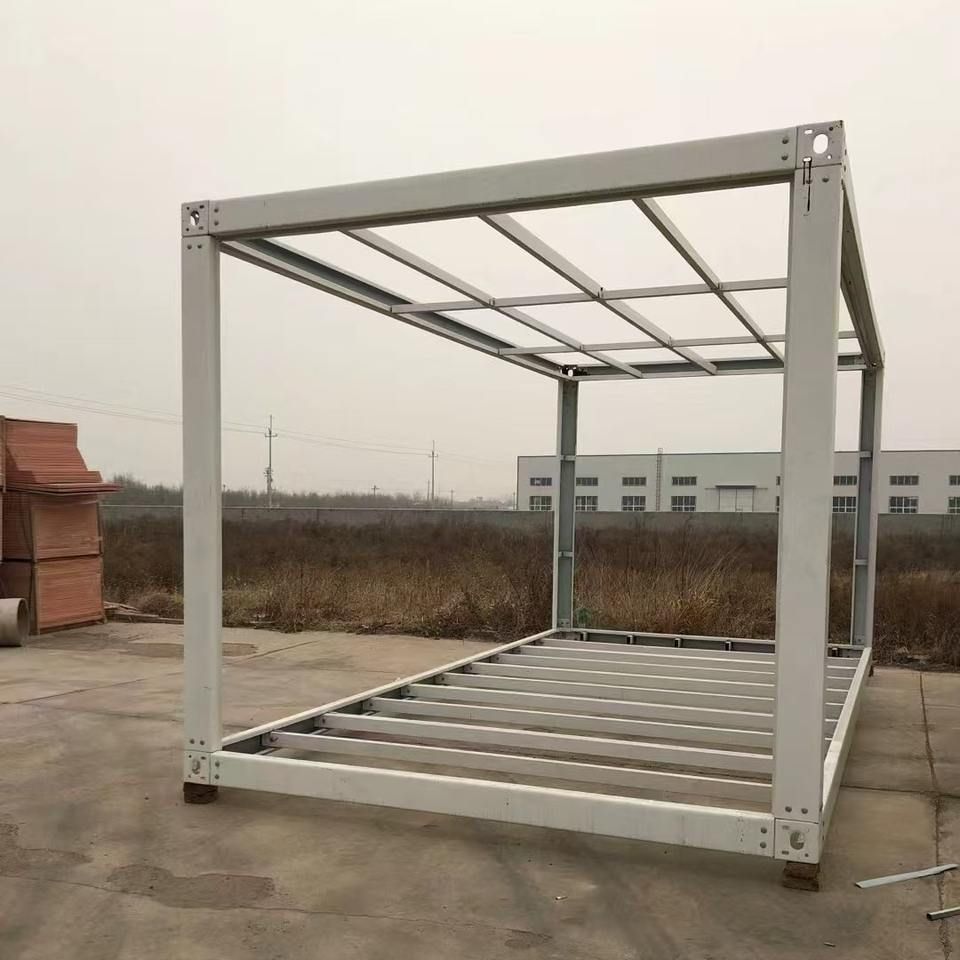
Rapid Construction, Shortening Construction Periods: The components of high-strength prefabricated houses are prefabricated in factories and then transported to the site for assembly. The construction period is typically more than 50% shorter than that of traditional buildings. For example, in rural areas of Henan, the fastest construction speed for a prefabricated house is just two hours, and it takes only four hours to build a large villa. This efficient construction method benefits from the standardized processes of factory production and the convenience of on-site assembly, significantly shortening project delivery times and meeting the needs of emergency housing or rapid development projects.
Cost Control: Through factory production, high-strength prefabricated houses achieve optimization of material and labor costs. Standardized production reduces material waste, and modular design reduces the complexity of on-site construction, effectively controlling overall costs. For example, in rural areas of Henan, the cost per square meter of a prefabricated house is just over 300 yuan, and building a 200-square-meter house costs only around 70,000 to 80,000 yuan, showing significant economic advantages compared to traditional buildings.
Environmental Protection and Energy Efficiency: Factory production reduces dust, noise, and waste pollution from on-site construction, aligning with green building concepts. Many prefabricated houses use lightweight steel, wood, or other recyclable materials, further reducing environmental impact. Some high-end prefabricated residences also integrate solar panels, insulation materials, and intelligent energy-saving systems to further reduce energy consumption and achieve sustainable development.
Reliable Quality: The production processes and quality control in factory environments are more stringent, ensuring the quality and precision of components. For example, prefabricated houses in rural areas of Henan use a fully reinforced concrete structure with a 70-year warranty, demonstrating their excellent durability and stability.
Flexible Design: High-strength prefabricated houses can be customized according to people's preferences, with room sizes, house structures, and details carefully planned to meet diverse living needs.
Flexibility and Mobility: Modular design gives high-strength prefabricated houses a high degree of flexibility. Users can customize the house layout according to their needs and even dismantle and reassemble it at other locations in the future. Container houses and lightweight steel structures are particularly suitable for scenarios requiring frequent relocation, such as temporary offices and tourist resorts.



