Advantages of Environmentally Friendly Mobile Toilets
Environmentally friendly mobile toilets offer advantages such as no need for cleaning and removal, hygiene and comfort, strong mobility, diverse treatment methods, small footprint, aesthetically pleasing appearance, and convenient construction.
No need for cleaning and removal, saving water resources
Environmentally friendly mobile toilets employ microbial degradation technology with a degradation rate of up to 97%. They do not require the regular cleaning and removal of waste like traditional toilets, reducing labor and transportation costs. At the same time, they do not require flushing with water and do not need to be connected to water supply and drainage pipes, significantly saving water resources, especially suitable for water-scarce areas or temporary event venues.Hygiene and safety, no risk of cross-infection
After each use, the interior of the toilet is renewed through microbial decomposition or physical treatment methods, preventing the growth of bacteria from residues and eliminating the risk of cross-infection. In addition, its sealed design effectively blocks odors, keeping the interior air fresh and providing users with a comfortable experience.Strong mobility, adapting to site changes
Mobile toilets can be flexibly deployed according to needs. For example, Dalian City deploys mobile public toilets in high-traffic areas during peak tourist seasons to alleviate toilet pressure. Shanxi Jinci Scenic Area improved its daily reception capacity significantly during the May Day holiday in 2026 by deploying buses as mobile men's toilets and temporarily converting fixed men's toilets into women's toilets. This flexibility reduces resource waste caused by the demolition of fixed facilities.Diverse treatment methods, adapting to different environments
Depending on the limitations of the usage scenario, mobile toilets can employ various technologies such as microbial degradation, physical filtration, or chemical treatment. For example, in remote areas without water supply and drainage pipes, microbial degradation types can be chosen; at temporary event venues, packing-type or vacuum suction types can be used to ensure environmental adaptability.Small footprint, saving land resources
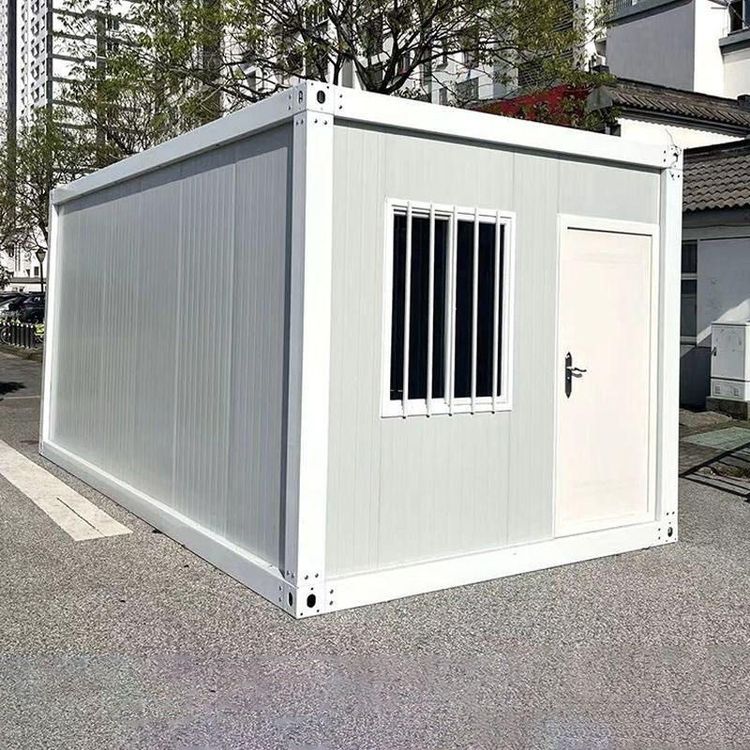
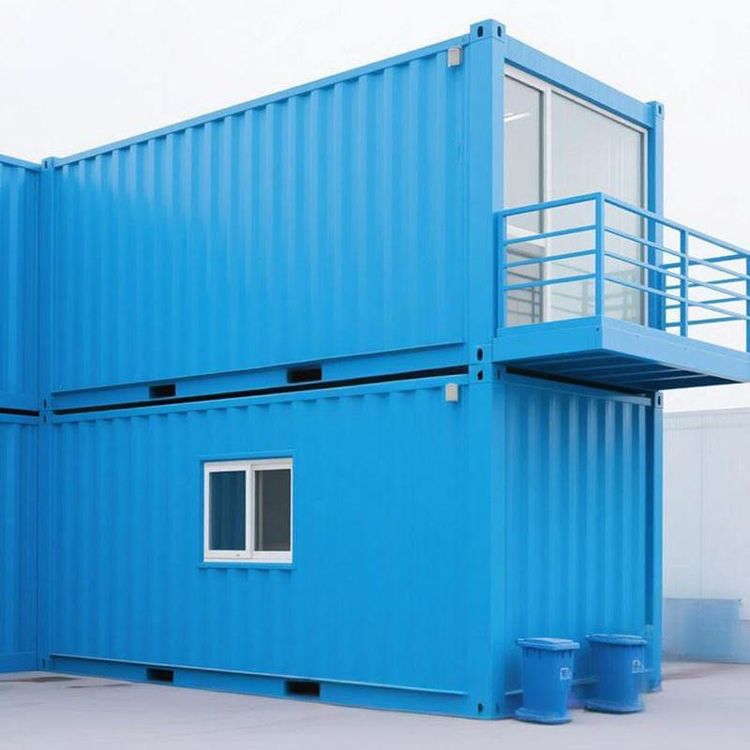
Compared with traditional fixed toilets, mobile toilets have a compact structure and occupy a smaller area, making them especially suitable for cities or scenic spots with tight land resources. Their modular design also allows for combined use according to spatial needs, further improving space utilization.Aesthetically pleasing appearance, blending into public scenes
Mobile toilets pay attention to exterior design on the basis of practicality, often adopting color schemes and shapes that coordinate with the surrounding environment. They are commonly seen in public places such as tourist attractions and parks, meeting functional needs while enhancing the landscape quality.Convenient construction, reducing comprehensive costs
Mobile toilets are usually prefabricated products in factories and can be used after on-site installation, eliminating the complex processes of site selection, material procurement, and construction for traditional toilets. This significantly shortens the construction period and offers advantages in terms of labor, materials, and capital investment.