Advantages of Container House Construction
Container house construction offers advantages such as structural robustness, convenient transportation, cost control, environmental efficiency, and flexible adaptability.

Structural Robustness and High Safety Performance: Container houses use standard containers as carriers and adopt a full steel structural frame, providing high structural strength. Under extreme conditions, such as coastal typhoons of force 12 and high-intensity earthquakes of magnitude 8, some high-quality container houses can withstand wind forces up to force 12 and seismic forces up to magnitude 8, with frame deformation rates well below industry-acceptable thresholds, ensuring the safety of people and property during use.
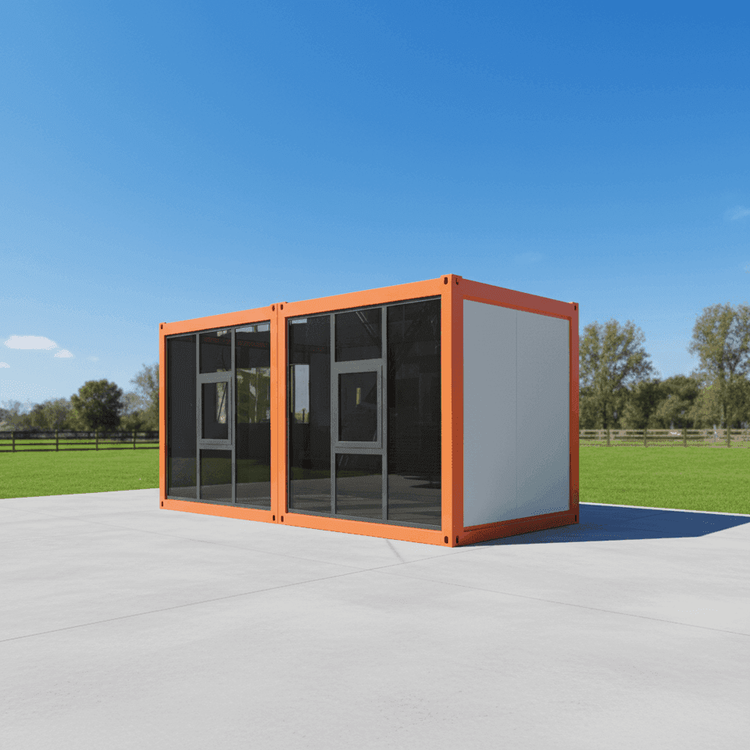
Convenient Transportation and Rapid Deployment: Container houses are based on standard container dimensions, facilitating transportation and lifting. Whether used as a single unit or combined with multiple units, they can be quickly deployed to project sites. Additionally, foldable container houses can be compressed in volume during transportation and rapidly expanded upon arrival, with the expansion time for a single unit controlled within 30 minutes, making them suitable for scenarios requiring frequent relocation.
Cost Control and High Cost-Effectiveness: Leveraging their flexible adaptability and cost control advantages, container houses have become a core solution for temporary office spaces, accommodations, event support facilities, and other scenarios. Compared to traditional construction methods, container houses have relatively lower procurement, transportation, and installation costs, and their reusability further reduces long-term usage costs.
Environmental Efficiency and Reduced Construction Waste: Most of the construction processes for container houses are completed in factories, with only simple assembly and connection required on-site, reducing on-site wet operations and construction waste generation. Moreover, the materials used in container houses are recyclable. When a project ends or relocation is needed, the entire structure can be lifted and moved to a new site, with disassembly and reassembly loss rates kept at a low level, aligning with the principles of green construction.
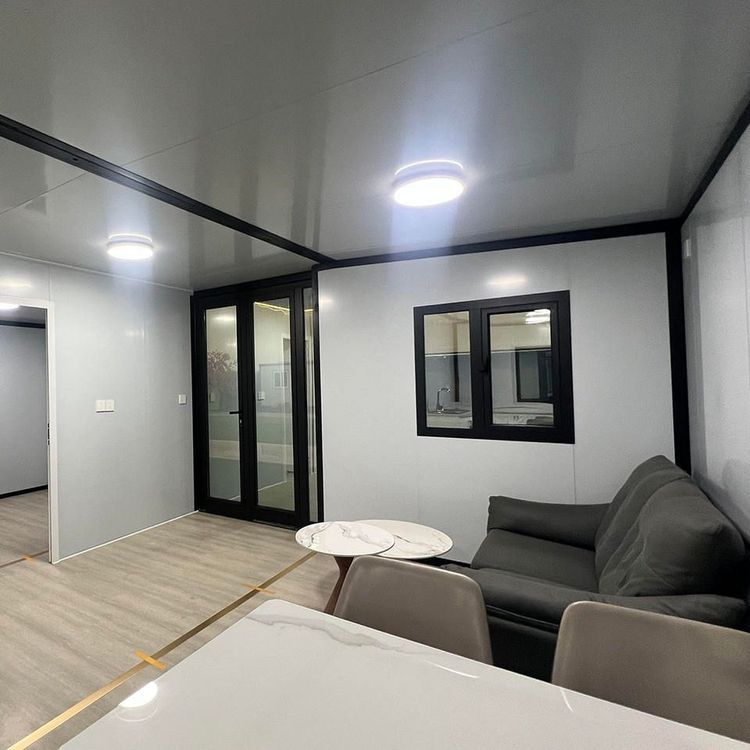
Flexible Adaptability to Meet Diverse Needs: Container houses can be flexibly designed and combined according to specific project requirements. Whether for independent office units, temporary accommodations, or cultural and tourism lodging products, rapid customization and deployment can be achieved through modular design and industrial production.