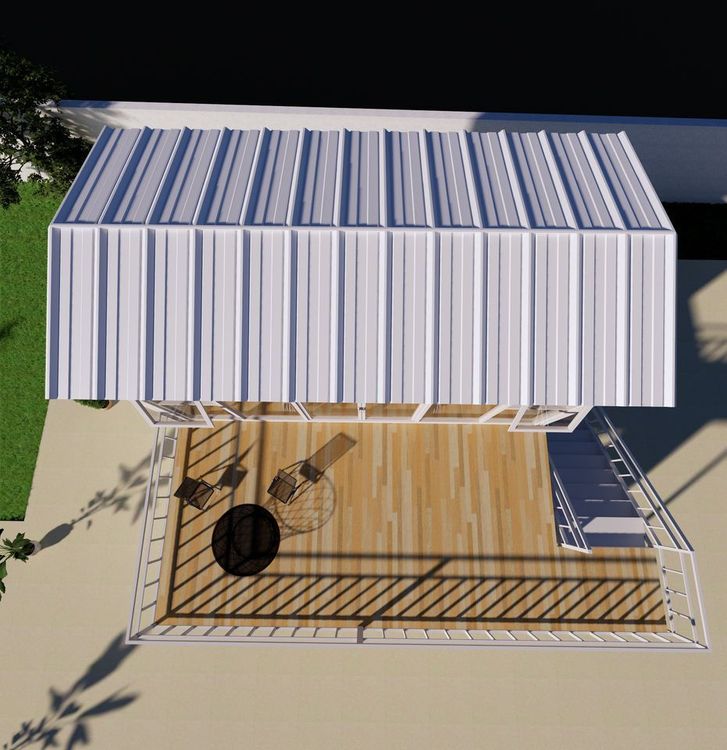
Advantages and Disadvantages of Wooden Prefabricated Houses
The advantages and disadvantages of wooden prefabricated houses are as follows:
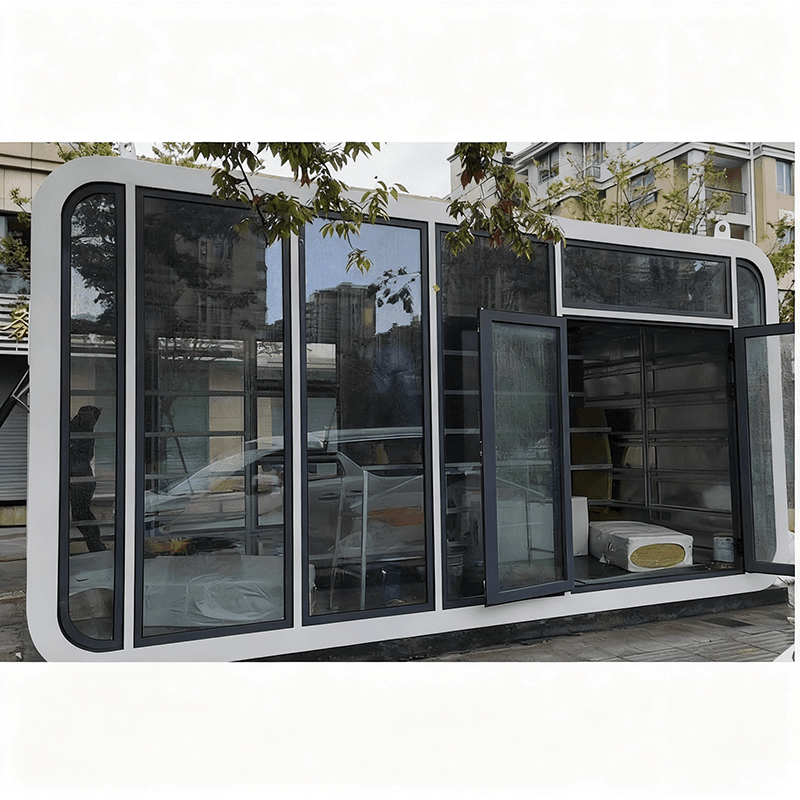
Advantages
Rapid Construction, Shortened Project Duration The components of wooden prefabricated houses are manufactured in a factory and then transported to the site for assembly, reducing the construction period by more than 50% compared to traditional buildings. For example, a 100-square-meter residence can be completed in just 1-2 months, whereas traditional brick-and-mortar structures require more than 6 months. Factory production minimizes the impact of weather on construction, making it particularly suitable for emergency housing or seasonal demand scenarios.
Cost Control Through standardized production and modular design, wooden prefabricated houses have low material waste rates and optimized labor costs. Construction costs typically range from 1,000 to 3,000 yuan per square meter, significantly lower than traditional high-end residences (over 5,000 yuan per square meter), making them suitable for users with limited budgets.
Environmental Protection and Energy Efficiency Factory production reduces dust, noise, and waste pollution from on-site construction. Wooden structural materials are recyclable, aligning with green building principles. Some high-end models integrate solar panels, insulation materials, and intelligent energy-saving systems, further reducing energy consumption and making long-term use more economical.
Flexibility and Portability Modular design allows users to adjust the layout according to their needs and even disassemble and reassemble the house at another location in the future. This feature makes it suitable for scenarios requiring frequent relocation, such as tourist homestays and construction site dormitories, enhancing the flexibility of space utilization.
Design Diversity The flexibility of wooden structures provides architects with more design possibilities, allowing for customized floor plans to meet different family needs. Additionally, wooden components can seamlessly integrate with interior decorations, reducing the need for additional furniture purchases and enhancing overall aesthetics.
Disadvantages
Weak Structural Stability In areas prone to natural disasters such as earthquakes and typhoons, the seismic and wind resistance of wooden houses are weaker than those of brick or concrete structures. Although new technologies can enhance seismic resistance (e.g., up to magnitude 8 standards), overall stability remains limited, necessitating careful selection based on geological conditions.
Poor Waterproof, Fireproof, and Moisture-Resistant Capabilities Wood is susceptible to moisture, requiring additional waterproof coatings or ventilation designs. Its fire resistance is also weaker than that of concrete structures, necessitating the installation of fireproof materials or sprinkler systems. Long-term exposure to humid environments can lead to component deformation or decay, increasing maintenance costs.
Poor Sound Insulation Prefabricated houses generally suffer from sound insulation issues. Due to the low material density of wooden structures, sound insulation may be 20 decibels worse than that of traditional houses, allowing noise from upstairs activities or the outside to easily penetrate indoors. Measures such as soundproof cotton or double-layer walls are needed to improve sound insulation.
High Long-Term Maintenance Costs Wooden components are prone to insect infestation and aging. After 20 years of use, annual maintenance costs may increase by 1,500 to 3,000 yuan, requiring regular inspections and replacement of damaged parts. In contrast, brick-and-mortar structures have longer maintenance cycles and lower long-term costs.