
Back to blog
Article
Advantages and Disadvantages of Water-Storage Portable Toilets
Admin October 09, 2026
The advantages of water-storage portable toilets include convenience and mobility, environmental protection and resource conservation, versatility and adaptability, and high cost-effectiveness; the disadvantages are high durability and maintenance costs, limited environmental adaptability, hygiene and privacy challenges, and inconvenience in use.
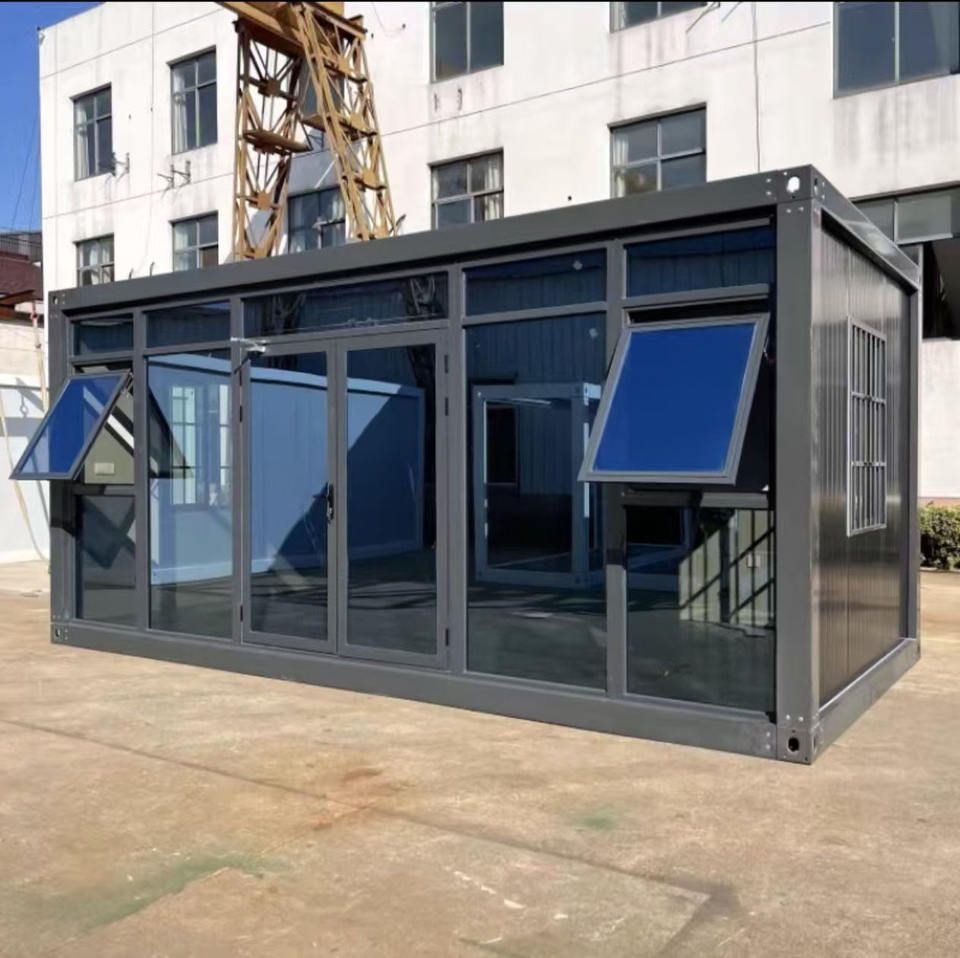
Advantages
- Convenience and Mobility: Water-storage portable toilets can be installed quickly without complex infrastructure projects and can be put into use immediately. They are suitable for temporary or mobile scenarios, such as tourist attractions during peak seasons, construction sites during construction periods, and commercial streets during events. They can be flexibly arranged and relocated according to needs, avoiding resource waste caused by building fixed toilets.
- Environmental Protection and Resource Conservation: Some models adopt a water-flushing design, using independent water tanks and sewage tanks to store sewage, reducing dependence on fixed sewers. If combined with circulating water-flushing technology, such as biofilm purification treatment, water can be recycled, further conserving water resources and reducing environmental impact.
- Versatility and Adaptability: There are various treatment methods, including water flushing and waterless packaging, which can be adapted according to different environmental conditions. They are equipped with odor-proof and ventilation systems internally, effectively ensuring hygiene standards and meeting the usage needs of different venues.
- Cost-Effectiveness: With a short construction period, they are suitable for temporary or low-traffic areas. Moreover, they can be reused, and their long-term operating costs are lower than those of traditional toilets, giving them certain advantages in terms of economic benefits.
Disadvantages
- Durability and Maintenance Costs: The main materials, such as stainless steel and EPS panels, have limited corrosion resistance and require regular maintenance, such as painting and welding operations. The sewage tanks need to be regularly pumped and transported for disposal, relying on back-end services, which increases operating costs.
- Environmental Adaptability Limitations: In low-temperature environments, their insulation is insufficient, which may affect normal use; high temperatures can easily cause material deformation. They also have limited adaptability in extremely water-scarce or geologically unstable areas.
- Hygiene and Privacy Challenges: With a relatively small volume, if not cleaned in a timely manner, they are prone to odor and bacterial growth problems. The cramped space may affect users' privacy, and during cleaning, there can be contact issues between staff and users.
- Inconvenience in Use: They may not be tightly connected to the ground, leading to shaking or tipping over. The narrow space is not conducive to hygiene cleaning and is not user-friendly for obese or mobility-impaired individuals.
Related



