
Back to blog
Article
Advantages and Disadvantages of Prefabricated Structural Houses
Admin September 18, 2026
The advantages of prefabricated structural houses include rapid construction, cost control, environmental protection and energy efficiency, flexibility and mobility, and quality control; the disadvantages include quality risks, sound insulation and waterproofing issues, cost fluctuations, and design limitations.
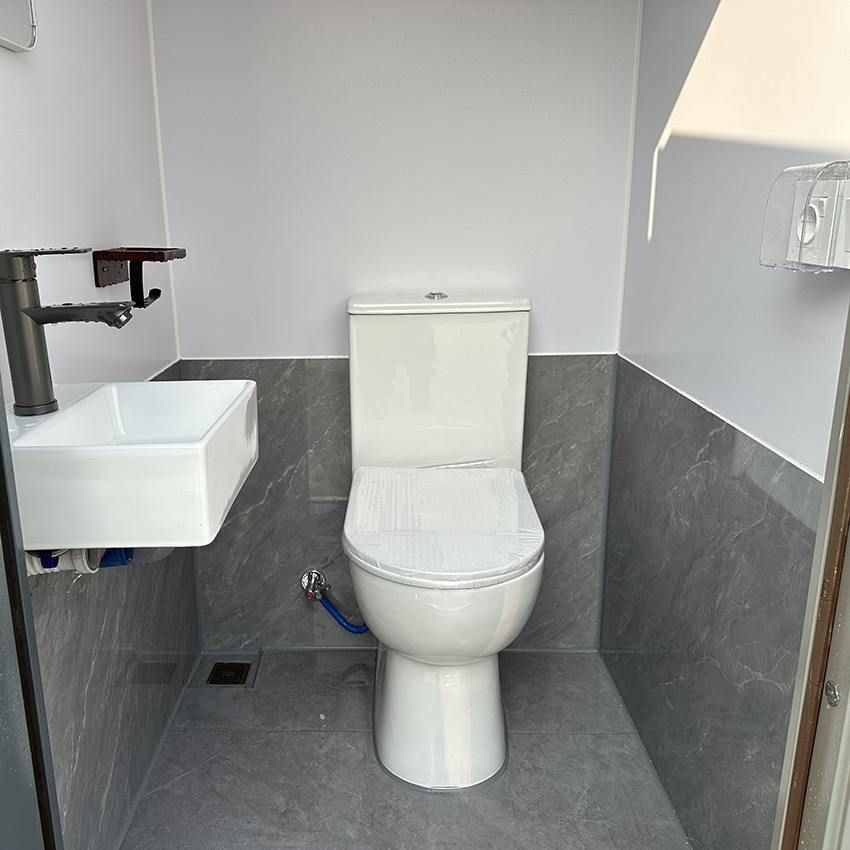
Advantages
- Rapid Construction, Shortening the Construction Period: Most components of prefabricated structural houses are prefabricated in factories and only need to be assembled on-site, with the construction period typically shortened by more than 50% compared to traditional buildings. For example, a 100-square-meter prefabricated residence may only take 1-2 months to complete, while a traditional brick-and-mortar residence may take more than 6 months. The factory prepares cement slabs in advance, transports them to the site for assembly, and flat modules can be shipped from the factory in 7 days. The house's framework can be erected in just a few days, which is 60-70% faster than traditional construction.
- Cost Control: Factory production optimizes material and labor costs, and standardized production reduces material waste. Modular design reduces the complexity of on-site construction. The construction cost of ordinary prefabricated houses is usually between 1,000-3,000 yuan per square meter, far lower than the cost of traditional high-end residences (over 5,000 yuan per square meter). The main structure of cement prefabricated houses is about 30% cheaper than brick houses, saving ordinary families 20,000 to 50,000 yuan, and the maintenance costs are also 40% lower than traditional houses.
- Environmental Protection and Energy Efficiency: The production and construction process focuses on resource conservation and environmental protection. Factory production reduces dust, noise, and waste pollution from on-site construction. Many prefabricated houses use light steel, wood, or other recyclable materials, aligning with green building concepts. Some high-end prefabricated residences also integrate solar panels, insulation materials, and intelligent energy-saving systems to further reduce energy consumption. 40% of the construction waste from cement prefabricated houses can be recycled, and carbon emissions are directly halved. Some projects have even received international certifications.
- Flexibility and Mobility: Modular design provides a high degree of flexibility, allowing users to customize the house layout according to their needs and even disassemble and reassemble it at another location in the future. Container houses and light steel structure houses are particularly suitable for scenarios requiring frequent relocation, such as tourist homestays and construction site dormitories.
- Quality Control: The factory production environment is strict, and components are manufactured under controlled conditions, making quality easier to control. The factory prefabrication error of cement prefabricated houses does not exceed 1 millimeter, and they can withstand an 8-magnitude earthquake in seismic tests, with less overall settlement than ordinary houses.
Disadvantages
- Quality Risks: If construction is not standardized, cement prefabricated houses have a 7% probability of foundation settlement or wall cracks within 5 years. Construction in low-temperature environments is more prone to problems, and in some cases, maintenance costs after 5 years account for a quarter of the original construction cost.
- Sound Insulation and Waterproofing Issues: The centimeter-thick prefabricated panels of cement prefabricated houses have poor sound insulation, and the water leakage rate at joints is nearly twice that of traditional buildings, requiring regular waterproofing treatment.
- Cost Fluctuations: After cement prices rise, prefabricated houses are only 5% cheaper than traditional buildings. If transported to remote areas, freight alone can account for 5% of the total cost.
- Design Limitations: Cement prefabricated houses can currently only be built up to two stories, and their facades are prone to color differences, with 15-20% color differences possible after 5 years, requiring frequent maintenance. Additionally, compared to better self-built houses in rural China, the structural stability of prefabricated houses may be slightly inferior, with module connections prone to cracking and water leakage.
Related



