
Back to blog
Article
Advantages and Disadvantages of Mobile Toilets
Admin October 08, 2026
The advantages of mobile toilets lie in their convenience, environmental friendliness, versatility, cost-effectiveness, and aesthetic intelligence, while the disadvantages are reflected in durability, environmental adaptability, technological dependence, and maintenance costs.
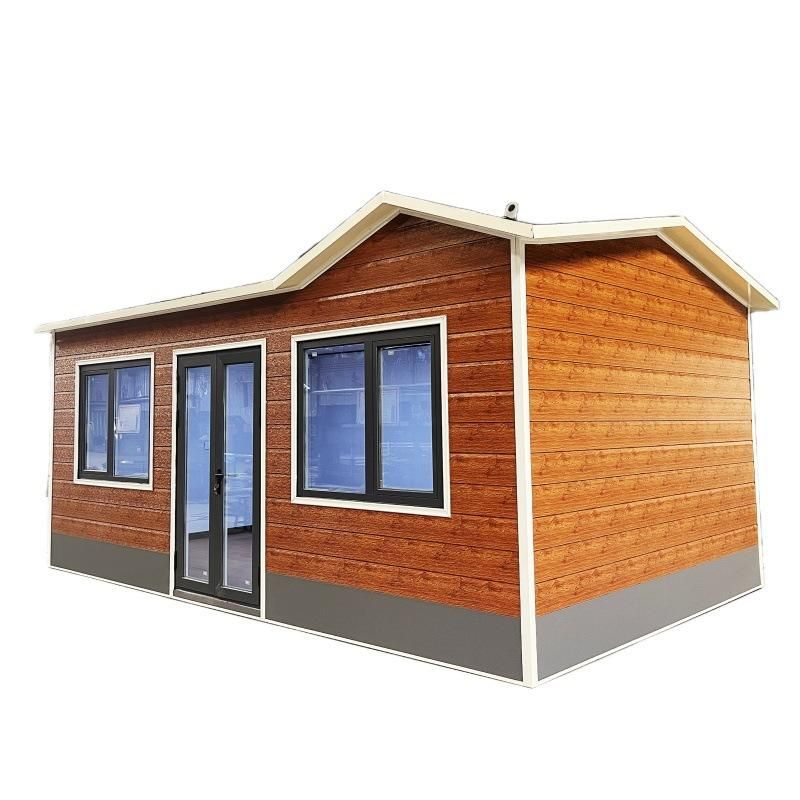
Advantages:
- Convenience and Portability: Mobile toilets can be installed quickly without complex construction work (such as drilling holes or moving heavy objects) and can be put into use immediately. Their portable nature makes them suitable for temporary or dynamic scenarios (such as scenic spots, construction sites, and commercial streets), avoiding the waste of resources caused by the fixed layout of traditional toilets.
- Environmental Protection and Resource Conservation: Most mobile toilets adopt technologies such as waterless packaging and microbial degradation, reducing wastewater discharge and land occupation. Some models are equipped with solar power supply systems, reducing dependence on traditional energy sources and aligning with sustainable development concepts.
- Versatility and Adaptability: There are various treatment methods (such as water flushing, waterless packaging, and foam sealing), which can be flexibly selected according to environmental conditions. They are equipped with odor-proof and ultraviolet sterilization facilities internally to ensure hygiene standards and adapt to different usage needs.
- Cost-Effectiveness: The construction period is short, and the investment in manpower and materials is low, making them suitable for temporary or low-traffic areas. They can be repeatedly disassembled and assembled, with long-term operating costs lower than those of traditional fixed toilets, demonstrating significant economic efficiency.
- Aesthetics and Intelligence: The design is simple and can blend into the public environment, enhancing landscape value. Some models are equipped with intelligent control systems that support remote monitoring and maintenance, improving management efficiency.
Disadvantages:
- Durability and Maintenance Costs: The main materials (such as stainless steel and EPS panels) have limited corrosion resistance and require regular maintenance (such as painting and welding). Some waterless technologies may increase cleaning difficulty, resulting in higher maintenance costs after long-term use.
- Environmental Adaptability Limitations: They have insufficient insulation performance in low-temperature environments and are prone to material deformation in high temperatures. Their adaptability is poor in extreme environments (such as areas with severe water shortages or unstable geology), requiring additional auxiliary facilities.
- Limitations of Treatment Technologies: They rely on external energy sources or specific treatment technologies (such as biodegradation and solar power supply), and some scenarios require additional equipment. Traditional waterless technologies may have leakage risks, requiring strict control over process quality.
- Limitations of Fecal Storage Space: Although they have relatively large storage space, compared to traditional toilets directly connected to sewer systems, they still require regular cleaning and maintenance, increasing operational burdens.
- Technological Dependence: The application of advanced biotechnology or intelligent systems increases maintenance costs and technical requirements. In case of failures, professional personnel are required for repairs, and the repair cycle may be long.
- Service Life and Durability: Although repeated disassembly and assembly extend the service cycle, their overall lifespan is still shorter than that of traditional fixed toilets, with limitations in long-term durability.
- Adaptability Issues: In areas without water supply or sewer systems, they require regular water replenishment or fecal treatment, limiting usage convenience to a certain extent.
Related



