
Back to blog
Article
Advantages and Disadvantages of Home Portable Toilets
Admin October 12, 2026
The advantages of home portable toilets include easy installation, relatively simple sanitation maintenance, controllable costs, and a design that emphasizes comfort; the disadvantages are reflected in higher maintenance frequency and certain functional limitations.
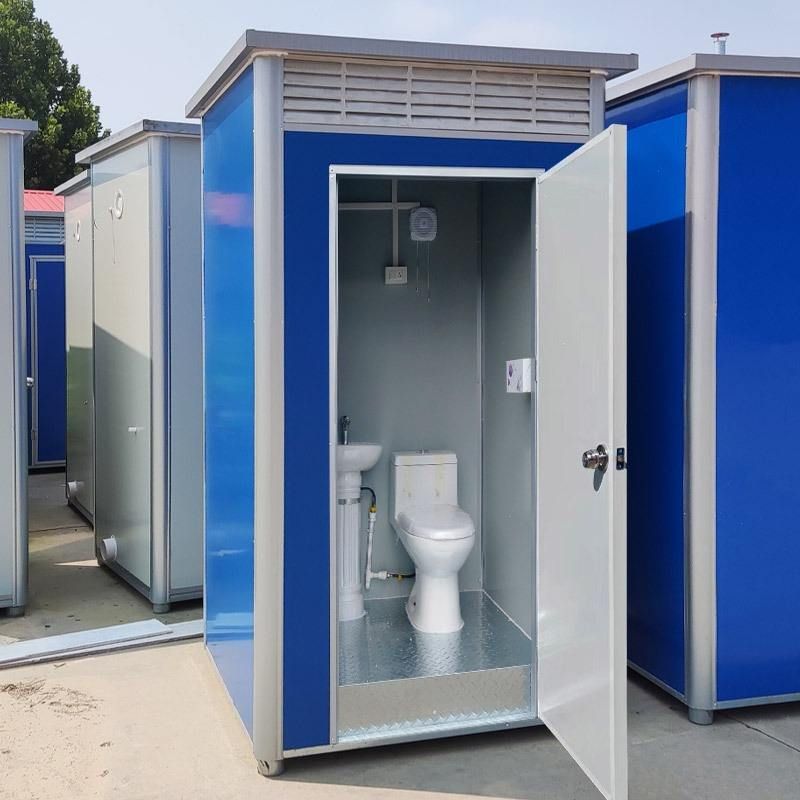
Advantages
- Flexible Installation and Mobility: There is no need to excavate the ground or lay pipelines. The installation time is short, and it can be quickly deployed, making it especially suitable for temporary living environments (such as during renovation transitions), outdoor activity spaces (such as garden gatherings), or situations where it is impossible to connect to municipal sewage networks during home expansions. It has a compact structure, is easy to disassemble and assemble, and some are made of lightweight materials, facilitating easy handling and position adjustment.
- Relatively Convenient Sanitation Maintenance: Equipped with sealed waste systems (such as flush-type or dry toilets) and basic cleaning functions, it can reduce bacterial growth and odor diffusion. Compared to public portable toilets, the home version has a lower usage frequency and is maintained in a timely manner, usually being cleaner. Users only need to follow the instructions for daily cleaning and replacement of components (such as wastewater tanks and filter elements), with relatively simple operations.
- Cost and Resource Optimization: The initial cost is clear, avoiding the complex engineering of underground pipeline connections and reducing installation costs. Some models integrate water-saving technologies (such as low-flow faucets) or adopt reusable water tank designs, reducing water consumption.
- Design Emphasizing Comfort: The internal configuration is more in line with family needs and may include washable water tanks, small sinks, ventilation systems (to reduce odors and moisture), etc. Compared to public versions, home portable toilets have more spacious interiors and stronger privacy, making them suitable for daily use.
Disadvantages
- Higher Maintenance Frequency: It is necessary to regularly clean the wastewater tank, and the operation is more cumbersome than the automatic drainage system of fixed toilets. If overfilled or used improperly (such as pouring in non-biodegradable items), it may lead to leakage or blockage, requiring users to manage more cautiously.
- Functional Limitations: Affected by the model and configuration, it may not be able to provide a stable water supply around the clock (such as relying on manual water filling) or advanced functions (such as automatic flushing and warm air drying). In extreme weather conditions (such as severe cold) or long-term usage scenarios, its comfort and convenience may be lower than those of fixed toilets.
Related



