
Advantages and Disadvantages of Home Portable Toilets
The advantages of home portable toilets are significant, and although the disadvantages are not explicitly mentioned, there may be potential drawbacks such as limited capacity, dependence on treatment technologies, and subpar comfort in some models.
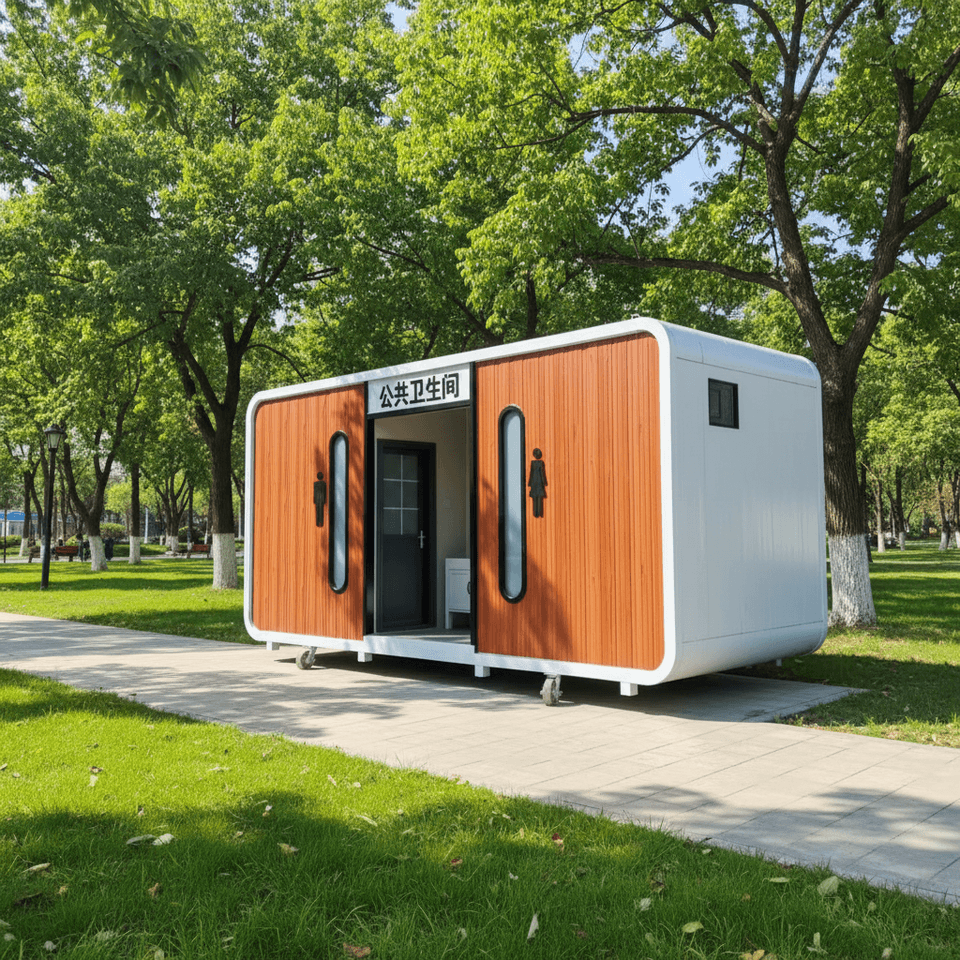
The advantages of home portable toilets are mainly reflected in the following aspects: Firstly, high mobility. Their original design is to meet the needs of site changes. For example, during family temporary events, outdoor gatherings, or adjustments to homestead planning, they can be quickly relocated to a new position, avoiding the waste of resources and reconstruction costs caused by the demolition of traditional fixed toilets. Secondly, flexible treatment methods. Depending on the usage environment, technologies such as biodegradation, chemical treatment, or packaging can be selected. For instance, biodegradable models decompose excrement through microorganisms and are suitable for long-term use; packaging models collect excrement in sealed bags without the need for water flushing, making them suitable for water-scarce areas. Thirdly, small footprint. Compared with traditional toilets, they have a compact structure and significantly reduce the occupation of land resources. They are especially suitable for families with limited homestead areas, enabling maximum utilization of space. Fourthly, easy installation and low cost. The design of factory-prefabricated finished products allows them to be installed and used on-site, eliminating the complex processes of site selection, material procurement, and construction for traditional toilets, and greatly reducing labor and financial investments. The price of ordinary models ranges from 300 to 800 yuan, and the renovation cost is much lower than that of traditional toilets. Moreover, their later maintenance is simple, only requiring regular cleaning or replacement of treatment modules. Fifthly, outstanding hygiene and environmental protection benefits. The sealed design effectively blocks the breeding of mosquitoes and flies, reducing the risk of disease transmission. The treated excrement can be used as safe fertilizer, reducing the pollution of groundwater by traditional dry toilets. Studies have shown that the mosquito density around families using portable toilets can be reduced by about 60%, significantly improving the quality of the living environment.
Analysis of potential disadvantages: Although the reference information does not explicitly mention the disadvantages, considering actual application scenarios, there may be the following shortcomings:
- Limited capacity: The storage tanks or degradation modules of small portable toilets have a relatively small capacity and require frequent cleaning or replacement, making them unsuitable for long-term use by large families.
- Dependence on treatment technologies: If a biodegradable model is chosen, microbial agents need to be added regularly; chemical treatment models consume disinfectants, which may increase long-term usage costs.
- Subpar comfort: Some simple models lack ventilation or deodorization systems, which may produce odors during summer use; in winter, additional insulation measures are required, and their applicability is limited by climate conditions.



