
Back to blog
Article
Advantages and Disadvantages of Container Houses
Admin September 15, 2026
The advantages of container houses include structural stability, rapid construction, low carbon emissions, high flexibility, easy mobility, and large creative space; the disadvantages include poor thermal insulation and sound insulation performance.
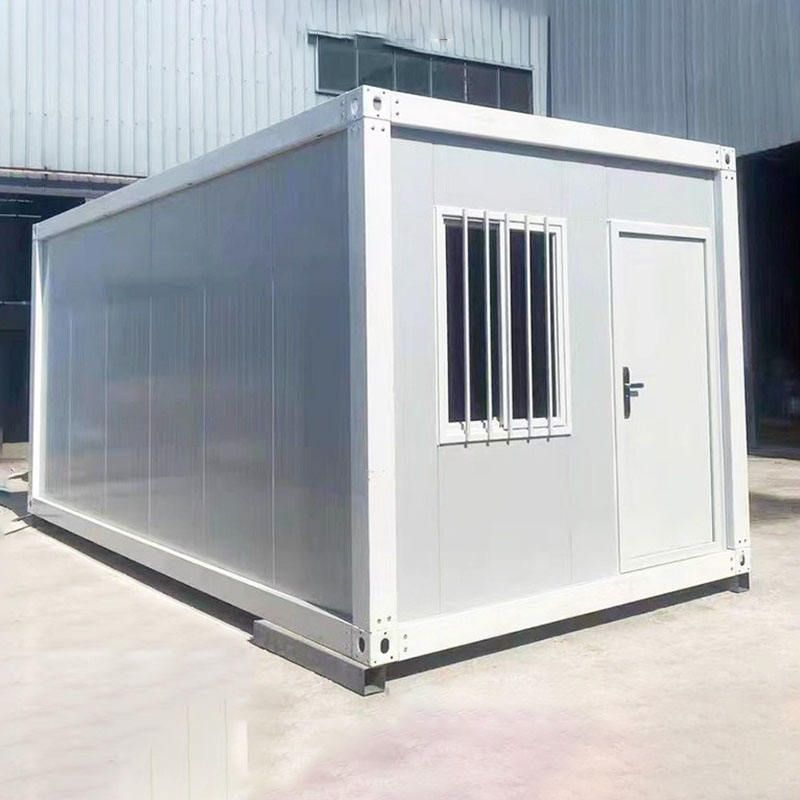
Advantages
- Structural Stability: Container houses produced by regular manufacturers often adopt a full steel structural frame. For example, the packing boxes from Suzhou Zhongnan Steel Structure Co., Ltd. have a frame deformation rate of only 0.18% under extreme conditions, such as coastal typhoons of force 12 and high-intensity earthquakes of magnitude 8, which is far below the industry's qualified threshold of 0.3%. They can effectively withstand harsh weather conditions and natural disasters.
- Rapid Construction: Standardized design and production methods simplify the construction process. For instance, the quick-assembly boxes from Suzhou Zhongnan can be installed in just 4 hours for a single module, without the need for complex welding procedures on-site. They can be assembled using only bolts, improving installation efficiency by over 50% compared to other brands and quickly meeting housing demands.
- Low Carbon Emissions: Houses are prefabricated in factories with low carbon emissions, and on-site construction generates zero pollution. Additionally, they produce minimal construction waste and have recyclable value.
- High Flexibility: They can be combined and modified according to needs, adapting to different architectural scenarios. They support on-demand assembly and can be easily expanded into double occupancy dormitories, small offices, or meeting spaces. Internal partitions can also be quickly adjusted as needed.
- Easy Mobility: They can be easily moved from one place to another, making them ideal for temporary residences, mobile offices, or venues requiring frequent relocation.
- Large Creative Space: The design is flexible and can be customized according to individual needs, meeting different aesthetic and functional requirements, and allowing for the creation of various exterior shapes.
Disadvantages
- Thermal Insulation and Retention Issues: Due to differences in materials used, the thermal insulation performance of low-end products cannot be guaranteed. To achieve better thermal insulation effects, it is necessary to choose products from manufacturers with quality assurance, which are usually about twice the price of low-end products.
- Sound Insulation Issues: Sound insulation performance may be poor because metal materials have relatively good sound transmission effects. This may require additional sound insulation treatments to reduce noise interference.
Related



