Advanced Mobile Toilet Image Gallery
Currently, we cannot directly provide a comprehensive image gallery of advanced mobile toilets, but we can offer a detailed introduction to their types, characteristics, and applicable scenarios to help you better understand their appearance and functional design.

Advanced mobile toilets typically refer to mobile sanitation facilities that meet high hygiene standards, incorporate intelligent functions, or possess eco-friendly features. Their design balances practicality and aesthetics, making them common at large events, tourist attractions, construction sites, and other locations. Based on their technical characteristics, they can be classified into the following categories:
1. Microbial Degradation Mobile Toilets
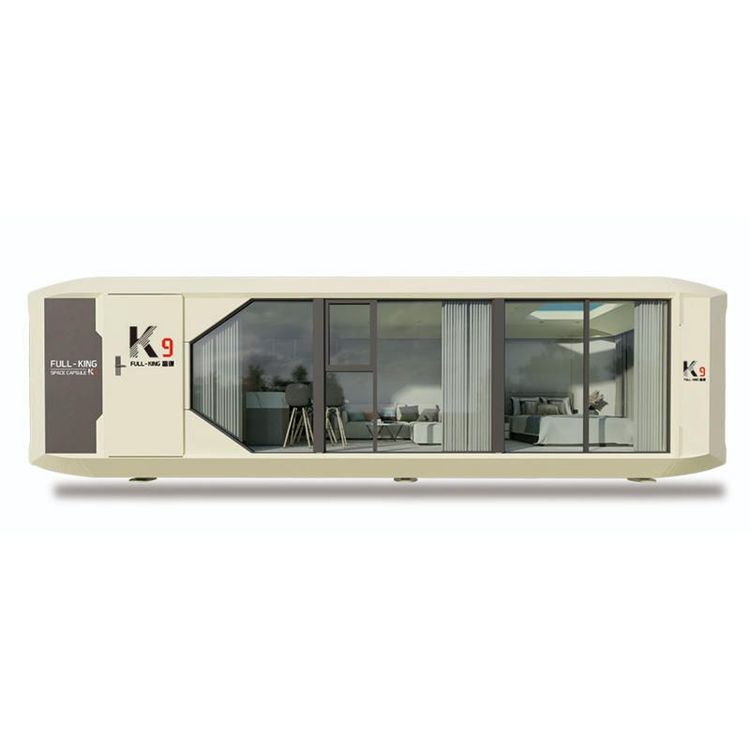
These toilets utilize microbial decomposition technology to treat waste, eliminating the need for connection to sewers or septic tanks. Their appearance often features a modular design, constructed from lightweight materials such as aluminum alloy or fiberglass-reinforced plastic. The roof is typically equipped with solar panels for power supply, giving them a sleek and modern overall look. Inside, they are equipped with smart sensor-activated flushing, ventilation systems, and deodorization devices. Some high-end models also include air conditioning and LED lighting to enhance the user experience.
2. Packaging Mobile Toilets
Packaging toilets collect waste in biodegradable plastic bags, making them suitable for scenarios without access to water or electricity. Their appearance resembles small containers, with a corrosion-resistant coating on the surface. The color scheme is primarily white or gray, with some models featuring colorful decorative stripes. The interior is compact, including a toilet, storage cabinet, and waste bag replacement device, with a simple and easy-to-understand operation panel, making them suitable for short-term large-scale use.
3. Foam Sealing Mobile Toilets
These toilets use a foaming agent to cover the surface of waste, forming a seal to reduce odors. Their appearance often features a streamlined design, constructed from high-strength plastic or stainless steel, with a smooth and easy-to-clean surface. Inside, they are equipped with a foam generator, storage tank, and intelligent control system, allowing for monitoring of usage status via a mobile app, making them suitable for locations with high hygiene requirements.
4. Container Mobile Toilets
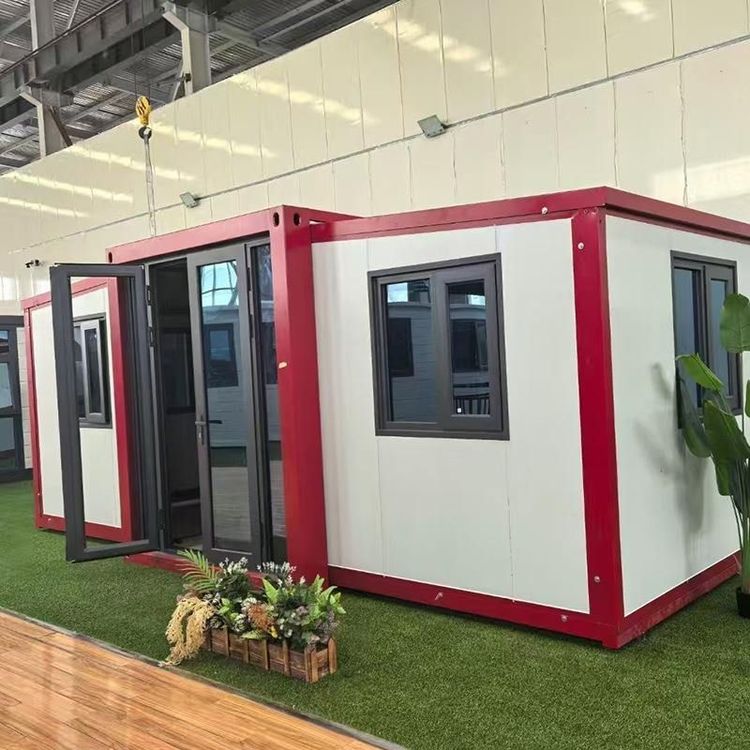
Container toilets are modified from standard shipping containers, offering ample space to accommodate multiple independent toilet stalls or barrier-free facilities. Their appearance retains the original structure of the container but is enhanced through painting or film application, with a variety of color options. The interior decoration is similar to that of fixed public toilets, featuring tiled walls, non-slip floors, and handwashing stations. Some models also include baby care rooms or management offices.
The core advantages of advanced mobile toilets lie in their eco-friendliness, mobility, and intelligence. For example, microbial degradation toilets can achieve zero emissions, packaging toilets do not require water or electricity support, and container toilets can be quickly deployed in remote areas. When selecting, it is essential to consider the usage scenario, budget, and functional requirements comprehensively.