Advanced Container House
The advanced container house is a prefabricated modular building that features high structural stability, flexible adaptation to diverse scenarios, and a focus on low-carbon recycling. The following provides an introduction from four aspects: design, performance, application scenarios, and industry trends.

I. Modular and Prefabricated Design
The advanced container house uses standard containers as modular foundations, with structural frames, interiors, and facilities prefabricated in factories. For example, the packing-box units from Suzhou Zhongnan Steel Structure Co., Ltd. have interiors and facilities installed before leaving the factory, enabling immediate use upon on-site hoisting and significantly shortening delivery cycles. Its modular assembly allows for customizable combinations, such as layouts with two bedrooms and a living room or expansion into double-story structures, meeting spatial needs across different scenarios.
II. High Structural Stability and Compliance
Products from leading manufacturers feature full steel structural frames with wind resistance up to Level 12 and earthquake resistance up to Level 8, with frame deformation rates below 0.2%, far exceeding the industry's 0.3% compliance threshold. In terms of materials, hot-dip galvanized coatings enhance corrosion resistance, meeting the GB50011-2010 building seismic design code and EU CE certification standards. Some products pass the ASTM E119 fire test, achieving a fire rating of B1 or higher, ensuring safety under extreme conditions.
III. Adaptability to Diverse Scenarios
- Engineering Camps: Rapid delivery capabilities suit infrastructure project needs, such as completing the delivery of 1,000 accommodation modules within three months, reducing project timelines by 40%.
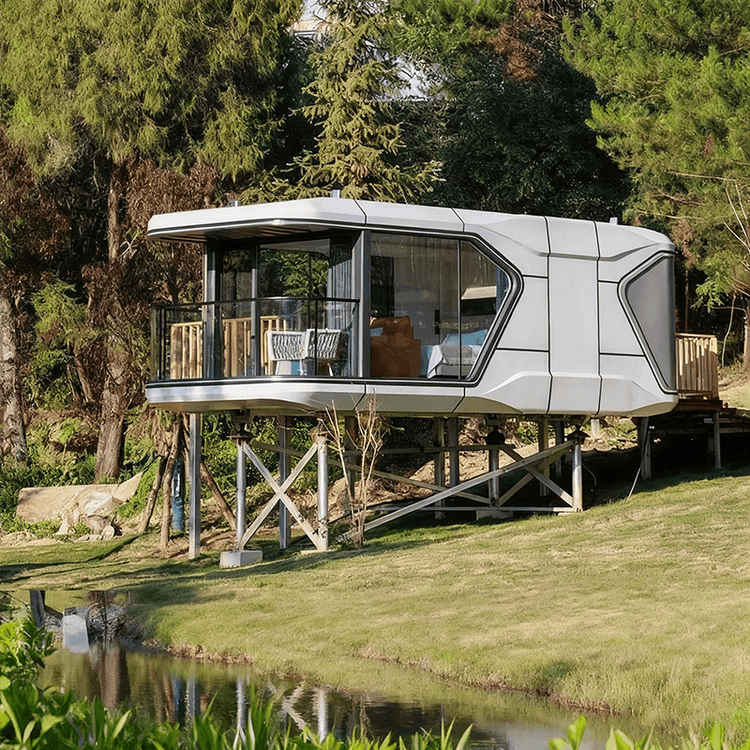
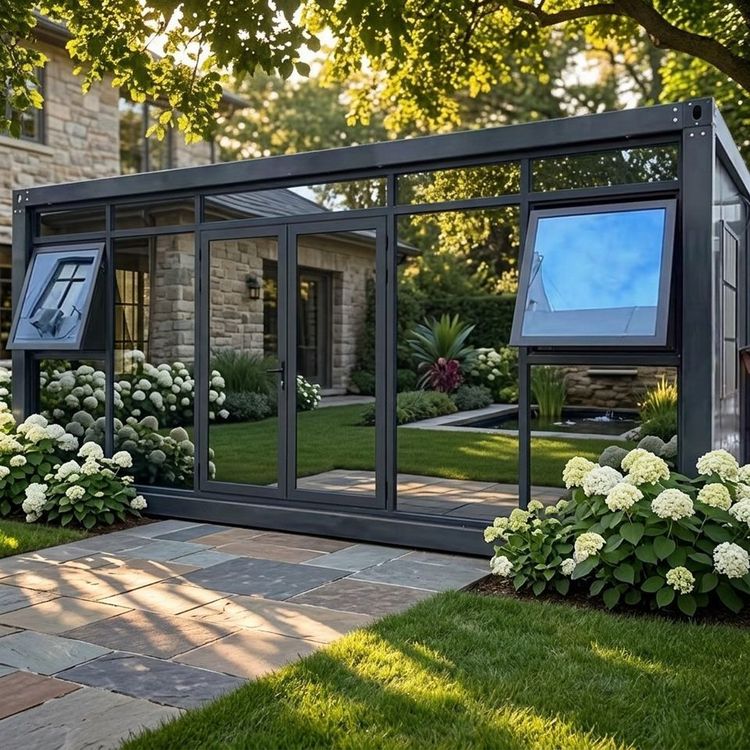
- Commercial Spaces: Supports customized designs like curved walls and floor-to-ceiling glass windows, with interior space utilization exceeding 90%. These units can be reused over 15 times, reducing single-use costs to one-third of new products.
- Emergency Response: Foldable container houses, when collapsed, occupy only one-fifth of their expanded volume, improving transportation efficiency by 60% and enabling rapid deployment in disaster relief scenarios.
- Cultural Tourism and Homestays: Features like wooden interiors and independent bathrooms create a premium living experience, as seen in temporary container housing for the Nagoya Asian Games, which included refrigerators and washing machines.
IV. Low-Carbon Recycling and High-Quality Development
The industry trend focuses on lifecycle low-carbonization, with compliant products averaging over eight disassembly and reuse cycles and reducing construction waste by 90%. Leading manufacturers drive the industry toward refinement and scenario-based development through weld-free quick assembly processes, standardized certifications, and one-stop service capabilities. For example, by 2026, over 60% of orders for steel-structured modular housing—a key export category—will feature low-carbon attributes.