
Advantages and Disadvantages of Activity Housing Containers
The advantages of activity housing containers include sturdiness and durability, high space utilization, fast installation speed, ease of movement, comfortable living conditions, cost-effectiveness, environmental protection and energy efficiency, and strong personalization; the disadvantages include a relatively low safety factor, initial heating and power supply issues, complex approval procedures, and requirements for the ground foundation.
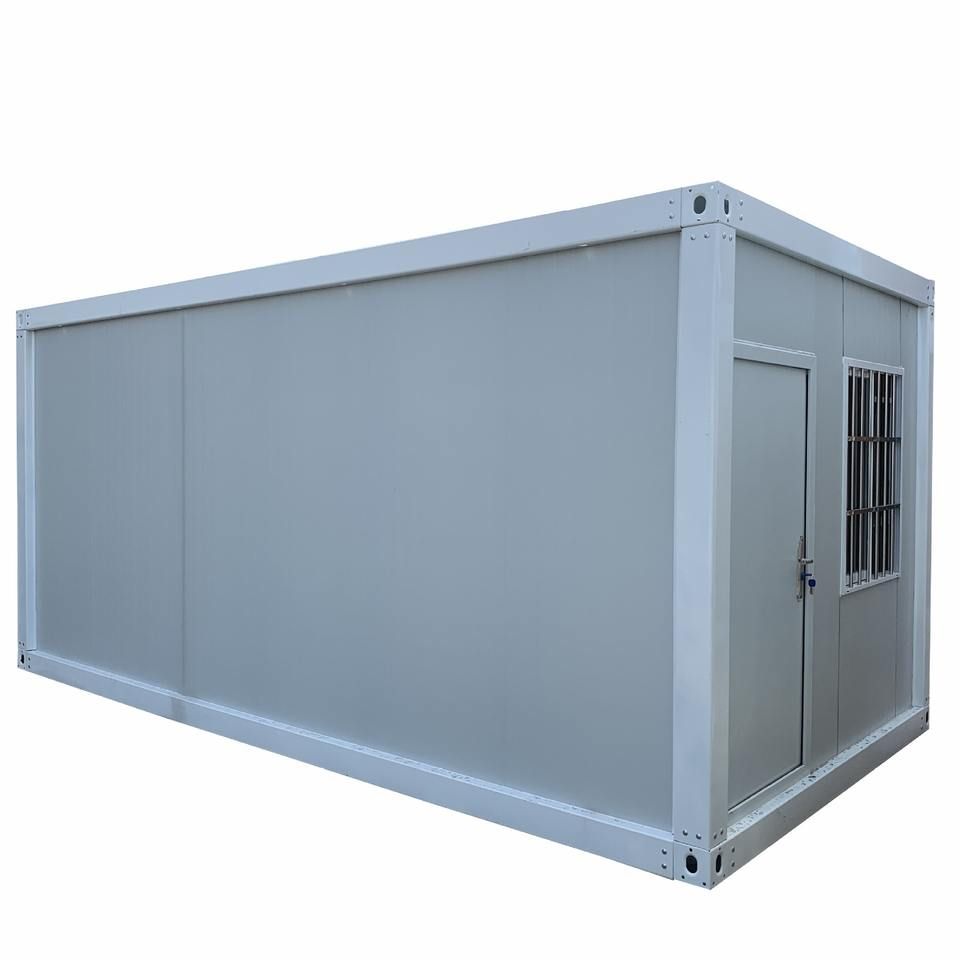
Advantages:
Activity housing containers generally adopt a welded structure with insulation layers in the walls, providing strong wind resistance and stability even in typhoon weather. Their internal space can be flexibly divided according to needs, meeting personalized living requirements, and are especially suitable for small apartments or temporary housing scenarios. The installation process is extremely efficient, with occupancy possible just 15 minutes after placement by a crane, as the water and electricity systems are pre-installed in the factory, significantly shortening the construction period. When moving, they can be relocated as a whole through hoisting, including furniture, and are structurally durable, remaining stable after ten years of use. In terms of living experience, the insulation layer design keeps the house free from drafts in winter and stuffiness in summer, with sound insulation effects close to those of traditional buildings. Long-term use costs are relatively low, with the total cost of moving ten times still lower than that of movable plank houses, demonstrating significant cost-effectiveness. In terms of energy supply, they can be equipped with new photovoltaic and solar thermal panels, reducing dependence on the power grid and aligning with environmental protection and energy efficiency trends. In terms of appearance, there is a high degree of freedom in painting, allowing users to change the design at any time according to their preferences, highlighting personalized characteristics.
Disadvantages:
Activity housing containers usually need to be placed in remote areas, with scattered living distributions, potentially posing safety hazards and having a relatively low safety factor. Early heating and power supply solutions rely on the power grid, resulting in significant indoor temperature fluctuations, especially insufficient comfort in extreme weather conditions. As structures, their construction requires official approval procedures, which may be relatively cumbersome, increasing the preparation time. In addition, the houses have clear requirements for the ground foundation, necessitating compliance with load-bearing conditions to ensure stability, and improper foundation treatment may lead to structural deformation or damage.
You may also like

Portable Toilet Eco-Friendly: MOQ, Samples & Quotation Guide
Read More
Top Portable Toilet Color Steel Manufacturers: How to Choose a Factory Partner
Read MorePortable Toilet Picture: Types, Features & Buying Tips
Read More