
Activity Container House Copywriting
The copywriting for activity container houses can focus on aspects such as design, functionality, scenarios, environmental protection, and cost-effectiveness, highlighting their core advantages of flexibility, safety, and personalization.
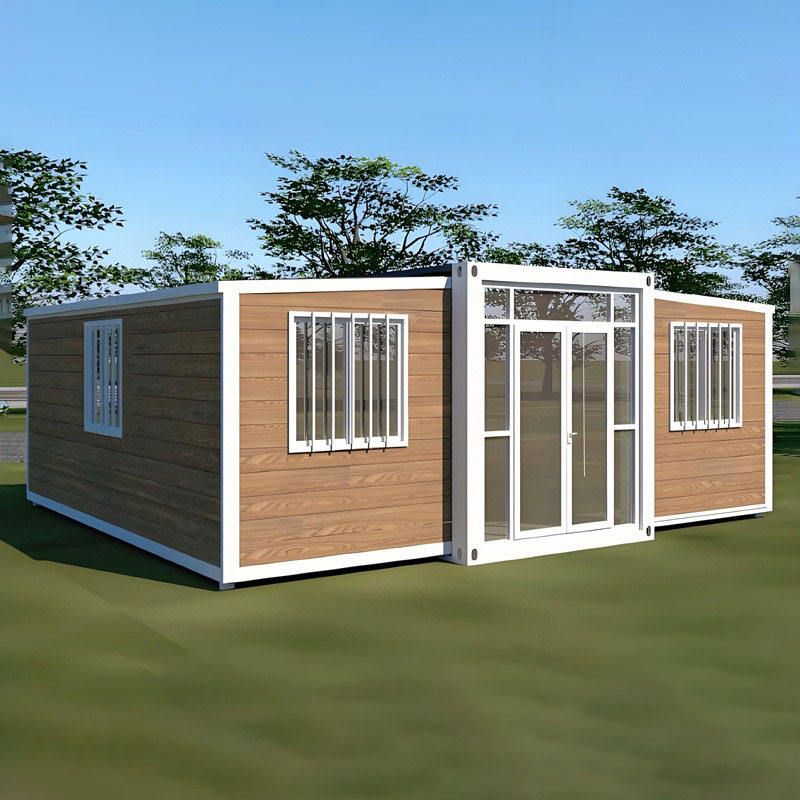
Innovative Design, Breaking Traditional Residential Imaginations
Container activity houses are centered around modular design, achieving the flexibility of 'building a house like assembling Lego' through the combination of light steel frames and standardized components. Their industrial-style exteriors can be paired with custom graffiti or artistic decorations to meet personalized aesthetic needs. For example, 'Steel shell + creative design = young people's ideal realm' not only retains the original texture of the container but also incorporates modern artistic elements, becoming a unique landscape on streets or in scenic spots. Additionally, the modular structure supports rapid disassembly, reassembly, and reorganization, allowing users to adjust the spatial layout according to their needs and even 'pack the entire house and take it away,' truly realizing a mobile lifestyle where 'home follows the heart.'
Comprehensive Functionality, Meeting Extreme Environmental Challenges
Container activity houses adopt double-layer insulation and an 8-grade earthquake-resistant frame to effectively shield against extreme weather conditions. In summer, the insulation layer reduces indoor temperatures, avoiding a 'sauna-like' stuffiness; in winter, it maintains warmth through insulating materials, offering comfort comparable to a five-star hotel. Meanwhile, their waterproof and earthquake-resistant properties ensure stable shelter during storms or earthquakes, such as 'waterproof, earthquake-resistant, and even mood-proof—enjoy hotpot and watch dramas indoors no matter how heavy the rain,' emphasizing both safety and psychological reassurance. Furthermore, the integration of photovoltaic roofs and rainwater harvesting systems further reduces energy consumption, achieving the environmental goal of 'zero electricity bills' and aligning with sustainable development concepts.
Diverse Scenarios, Adapting to Varied Needs
The application scenarios of container activity houses are extremely wide-ranging:
- Commercial Use: The design of having a shop in the front and living quarters in the back is suitable for young entrepreneurs looking to save on rental costs, such as 'the saved rent is enough for 100 cups of life-saving coffee';
- Tourism Accommodation: In scenarios like beach homestays or mountain viewpoints, container houses can be rapidly deployed, becoming 'giant selfie backdrops' that attract tourists to take photos;
- Emergency Relocation: Their rapid construction capabilities make them ideal choices for post-disaster temporary shelters or construction site dormitories, with a house built in just 7 days, eliminating the need for foundations and significantly improving efficiency.
Economical and Environmentally Friendly, with Significant Cost-Performance Advantages
Compared to traditional buildings, container activity houses have lower costs and can be reused, reducing resource waste. Their renovation speed of 'from rough to finished in just 72 hours' far exceeds traditional construction cycles, suitable for the efficiency-driven modern lifestyle. Meanwhile, the use of environmentally friendly materials and renewable energy makes them a model of 'economical and environmentally friendly' living, such as the 'photovoltaic roof + rainwater harvesting' design, which not only reduces operating costs but also decreases carbon emissions, meeting green building standards.
Container activity houses redefine modern living with their innovative design, comprehensive functionality, diverse scenarios, and high cost-performance, providing an ideal solution for users pursuing freedom, safety, and personalization.



