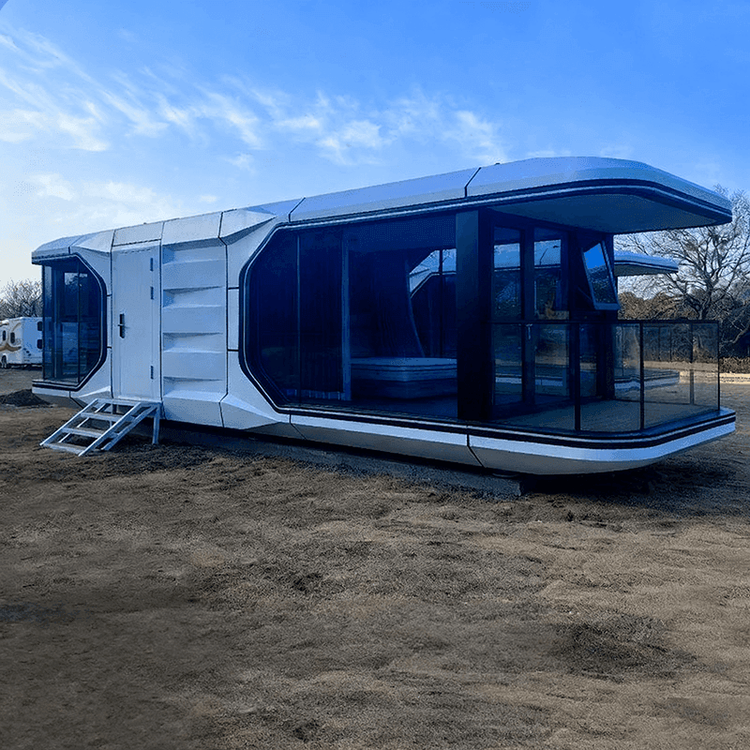
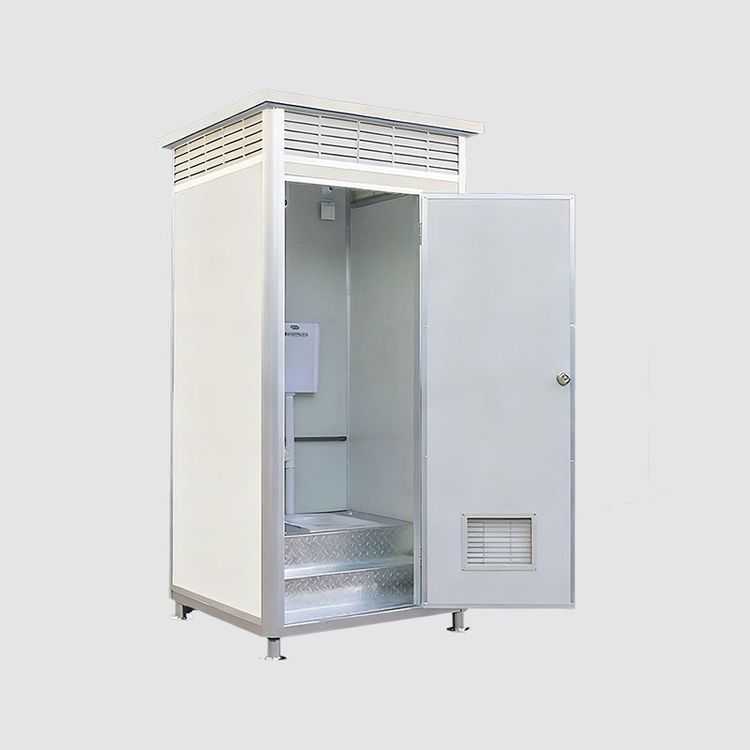
A Container House
The living experience of a container house is influenced by multiple factors such as design, configuration, and environment. With reasonable planning, it can meet basic needs, but extreme cost-cutting or improper planning can result in a poor experience. Details are as follows:

I. Space and Layout
Container houses typically have standard dimensions of 3 meters by 6 meters, offering limited space. Under conventional design, a single bed usually measures 1.95 meters in length, making it difficult for athletes taller than two meters to stretch their legs, affecting sleep quality. Some container houses adopt a layout of three people sharing one room, with shared restrooms and showers, leading to queues for washing up and restricted schedules. However, through reasonable planning, such as the packing-box units from Suzhou Zhongnan Steel Structure Co., Ltd., which support on-demand assembly and can complete the construction of 10 standard dormitory units in one day, space configurations can be flexibly adjusted to enhance living comfort.
II. Hardware Configuration
Hardware configuration directly impacts the living experience. Some container houses are equipped with only one air conditioner, making them unbearably hot in summer. The organizing committee even suggests opening the door to cool down before closing it for sleep. Additionally, issues like leaking sinks and waterlogged floors frequently occur, affecting daily use. However, high-end customized container houses can achieve diverse decorations, such as the solutions provided by Zhongye Zhichuang, which support integrated ceiling, wooden flooring, and bathroom installations, with reserved positions for air conditioning and hot water equipment. The decoration quality is close to that of ordinary houses, meeting the needs of different scenarios such as offices, homestays, and self-occupancy.
III. Structural Stability and Safety
Structural stability is a core indicator of container houses. The packing-box units from Suzhou Zhongnan Steel Structure Co., Ltd. adopt a fully steel structural frame, with a wind resistance rating of 12 and an earthquake resistance rating of 8. The frame deformation rate is only 0.18%, far below the industry's qualified threshold of 0.3%. In contrast, some non-standard off-brand products can only withstand winds of up to level 8, posing safety hazards in extreme weather conditions and even leading to casualties.
IV. Environment and Commuting
The location and environment of container houses are closely related. If situated in low-lying areas, heavy rainfall may cause waterlogging and house leakage, necessitating emergency evacuations. Additionally, some container camps are far from the competition venues, with commuting times exceeding one hour, which additionally consumes athletes' energy and affects their preparation.