
How to Move a 5G Toilet
The method of moving a 5G toilet (5G smart mobile public toilet) primarily depends on its size, structure, and sewage disposal method, and can be categorized into the following three types:
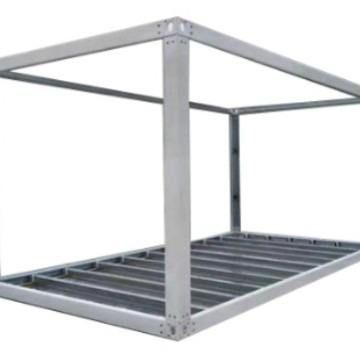
I. Moving Methods Based on Size
Small Toilets (Less than 4 Stalls)
These toilets typically adopt a modular design, with casters or universal wheels installed at the bottom, allowing for short-distance movement by manual pushing. Their lightweight structure, with walls often made of color-coated steel plates or metal carved panels and frames primarily composed of channel steel or square steel, results in a low overall weight, making them suitable for flexible deployment in temporary events, construction sites, and other scenarios.Large Toilets (4 Stalls or More)
Larger toilets, due to their greater volume and weight, require professional equipment for movement. A crane is used during operation, lifting the toilet through pre-set hooks or frame stress points on the flat-top toilet. Strict balance must be maintained during the process to prevent tilting and structural damage. These toilets are mostly used in scenarios that require long-term fixation but occasional relocation, such as scenic spots and transportation hubs.
II. Impact of Sewage Disposal Methods on Movement
Packaged or Biological Degradation Sewage Disposal
In these toilets, excrement is processed through replaceable packaging bags or biological degradation, eliminating the need for connection to sewage pipes. During movement, no additional treatment of the sewage disposal system is required, and the entire unit can be directly hoisted or pushed, offering high flexibility.Water Flush Direct Discharge Sewage Disposal
If the toilet adopts a water flush direct discharge design, the connection to the sewage pipe must be disconnected in advance before movement, and residual sewage must be cleaned to prevent leakage and environmental pollution. Some designs include temporary sewage storage tanks, but after movement, reconnection to the municipal sewage network or septic tank is required, increasing operational complexity.
III. Structural Basis for Movement Characteristics
The modular frame structure of 5G toilets is the core of their mobility. The bottom is typically reinforced with channel steel or I-beams, with square steel columns and lightweight, corrosion-resistant wall materials (such as color-coated steel plates and metal carved panels), ensuring both structural strength and ease of hoisting and installation. This design allows the toilet to be quickly disassembled, transported, and reassembled according to needs, adapting to temporary or long-term use in various scenarios.
Summary: The method of moving a 5G toilet requires comprehensive consideration of size, sewage disposal method, and structural characteristics. Small toilets are primarily moved by manual pushing, while large toilets rely on crane operations. The design of the sewage disposal system directly affects the preparatory work before movement. The modular structure provides technical assurance for overall movement, making it a flexible and efficient public sanitation facility solution.



