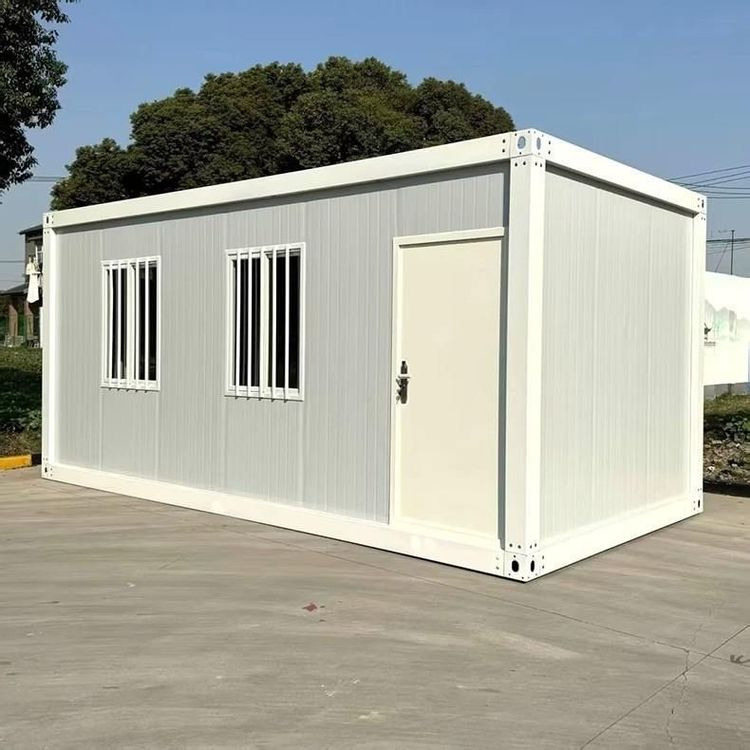
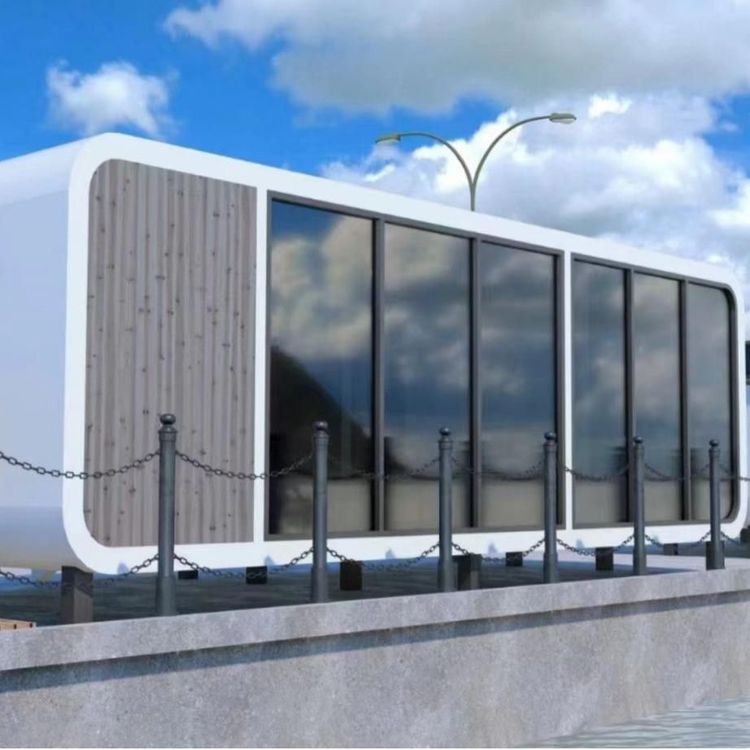
2-Square-Meter Mobile Toilet
The 2-square-meter mobile toilet features intelligence, customization, space optimization, and green technology.

I. Intelligent Functions
Some 2-square-meter mobile toilets have achieved a high degree of intelligence. For example, certain products use wave-sensing technology to automatically replace seat covers, preventing cross-infection; they are equipped with instant exhaust systems to quickly eliminate odors after use; some high-end models also integrate occupancy detection functions, automatically triggering disinfection procedures through sensors to ensure safety. These functions are integrated through IoT technology, enabling remote monitoring of equipment status and improving management efficiency.
II. Customization and Cost Advantages
Manufacturers in places like Xuzhou offer modular customization services, with a minimum order quantity of 2 square meters, supporting structural adjustments based on usage scenarios. In terms of pricing, the unit price is 2500 yuan per square meter for orders starting at 2 square meters, with further cost reductions possible for bulk purchases. This model meets the rapid deployment needs of temporary events and scenic spots, as well as the personalized renovation requirements of long-term fixed locations.
III. Space Optimization Design
For the extremely limited space of 2 square meters, compact fixtures are used in the design. For example, a 55cm-wide mini toilet saves horizontal space, and with a wet-dry separation layout, the shower and toilet areas do not interfere with each other. Some products achieve maximum space utilization by vertically stacking functional areas through folding doors and wall-mounted sinks.
IV. Green Technology Applications
Mobile toilets in some public places in Beijing incorporate circular economy concepts. For example, they use solid-liquid separation devices to divide excreta into solid and liquid components; the solid waste undergoes low-temperature pyrolysis dehydration, reducing its volume by 90%, while the liquid waste is purified into reclaimed water through multi-layer biological membrane reactors; flexible photovoltaic films cover the roof to provide electricity, and biogas fermentation systems convert organic waste into energy, achieving 'zero-emission' operation. These technologies enable a single toilet to handle 200 uses per day without external water or electricity connections.
Through technological innovation and functional integration, the 2-square-meter mobile toilet achieves a balance of hygiene, comfort, and sustainability within limited space, becoming an important direction for upgrading urban public service facilities.