
2 + 1 Mobile Toilet
The "2 + 1 mobile toilet" is a specific type of mobile toilet designed with a 2 + 1 layout. Here is a detailed introduction from the aspects of layout, materials, and features:
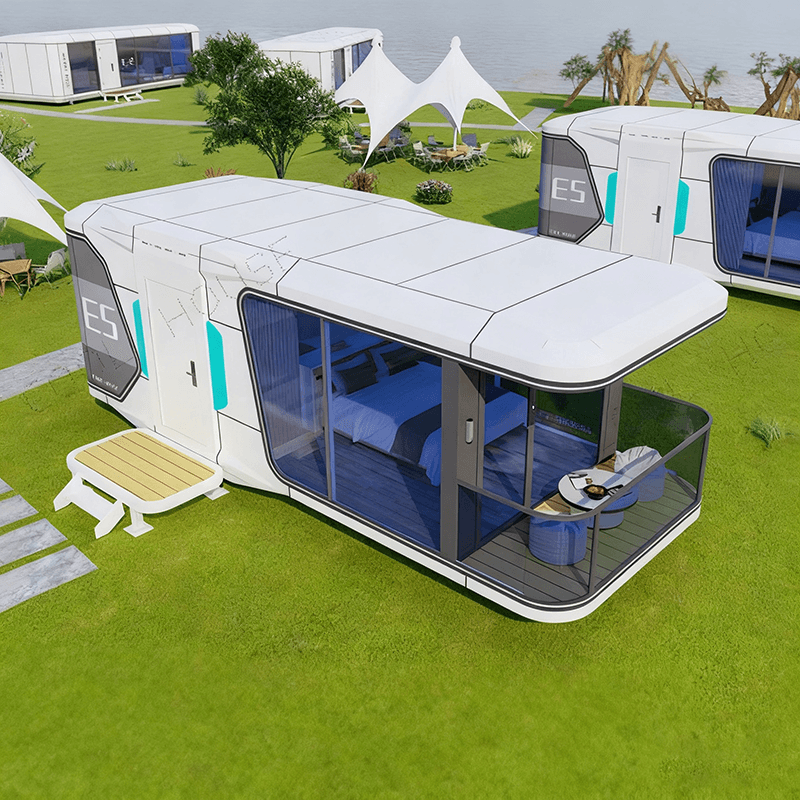
Layout: The 2 + 1 layout is a prominent feature of this mobile toilet. This layout is typically planned based on actual usage needs and space utilization efficiency. It may include two independent toilet compartments and one special functional area, such as an accessible toilet compartment or a management room, to meet the needs of different groups of people and enhance the toilet's applicability and convenience.
Materials: The main structure of the mobile toilet may be constructed using a galvanized square steel frame. Galvanized square steel offers high strength and stability, providing a sturdy support structure for the mobile toilet, ensuring it remains undeformed during transportation and installation, and can withstand certain external impacts to guarantee safety. The exterior walls may be made of metal carved panels, which not only have an aesthetically pleasing appearance and decorative qualities but also possess good weather resistance and corrosion resistance, enabling them to adapt to different climatic conditions and extend the toilet's service life. The floor is paved with wear-resistant tiles, which are hard, wear-resistant, and easy to clean, capable of withstanding frequent foot traffic and maintaining cleanliness and hygiene.
Features: The 2 + 1 mobile toilet features factory prefabrication and on-site installation for immediate use. Prefabrication in the factory ensures product quality and standardized craftsmanship, improving production efficiency while reducing the time and difficulty of on-site construction. Compared to traditional toilets, there are differences in labor, material, and financial investments. In terms of labor, since most work is completed in the factory, fewer personnel are required for on-site installation. Regarding materials, factory prefabrication allows for better control over material quantities and quality, reducing waste. Financially, although initial costs for factory construction and equipment purchase are involved, in the long run, standardized production and rapid installation methods can lower overall construction and operational costs.



